English
- English
- Español
- Português
- русский
- Français
- 日本語
- Deutsch
- tiếng Việt
- Italiano
- Nederlands
- ภาษาไทย
- Polski
- 한국어
- Svenska
- magyar
- Malay
- বাংলা ভাষার
- Dansk
- Suomi
- हिन्दी
- Pilipino
- Türkçe
- Gaeilge
- العربية
- Indonesia
- Norsk
- تمل
- český
- ελληνικά
- український
- Javanese
- فارسی
- தமிழ்
- తెలుగు
- नेपाली
- Burmese
- български
- ລາວ
- Latine
- Қазақша
- Euskal
- Azərbaycan
- Slovenský jazyk
- Македонски
- Lietuvos
- Eesti Keel
- Română
- Slovenski
- मराठी
- Srpski језик

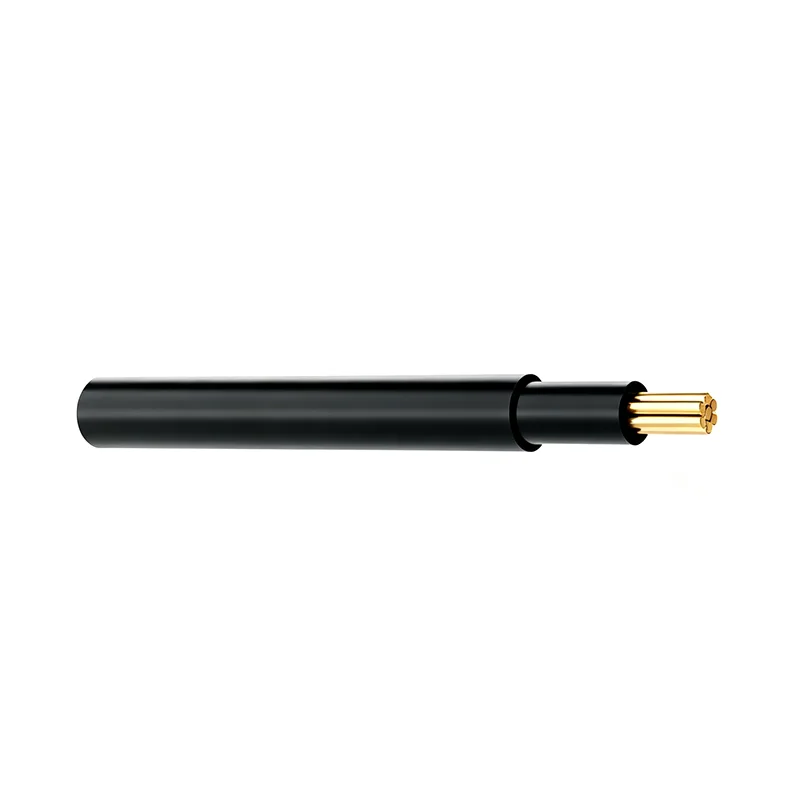
How Are EU Standard Single Core Non-Sheathed Cables Used in Modern Electrical Systems?
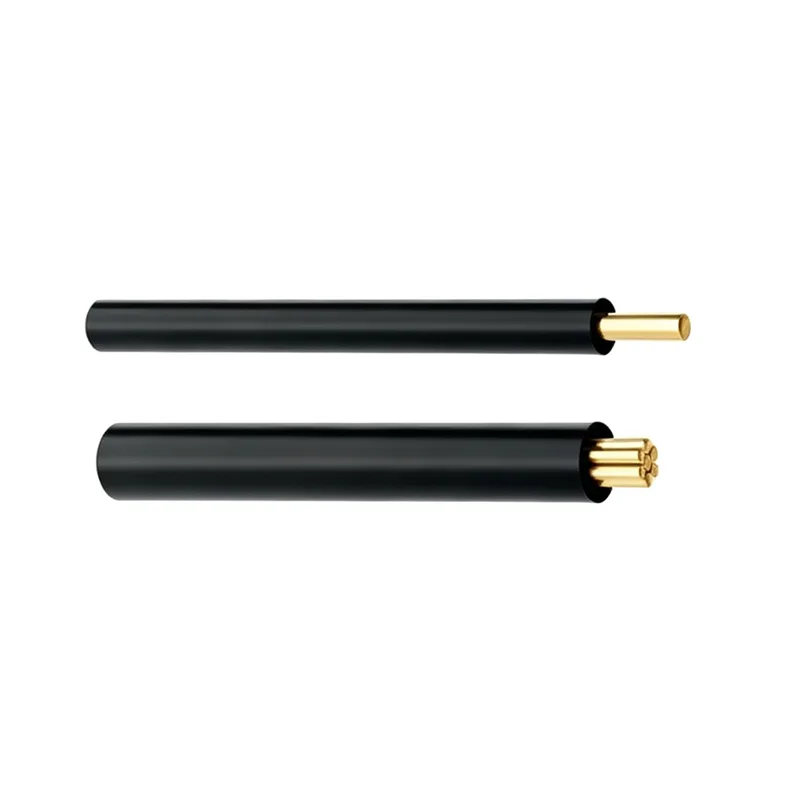
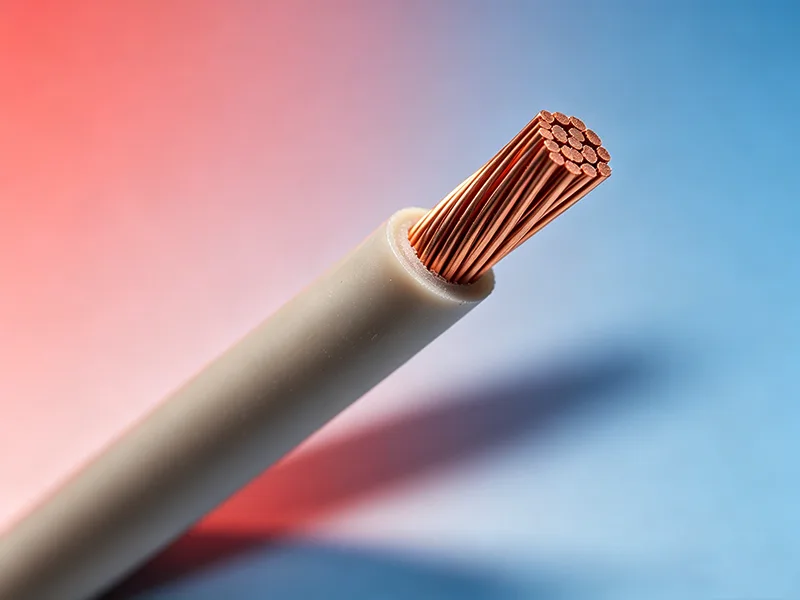
Electrical wiring inside control cabinets, distribution boards, machinery, and building systems often requires cables that can be routed efficiently through limited spaces while maintaining stable electrical insulation and conductivity. Unlike cables with an additional outer sheath, single core non-sheathed cables are designed with a more compact construction, making them suitable for many fixed wiring and internal connection applications.
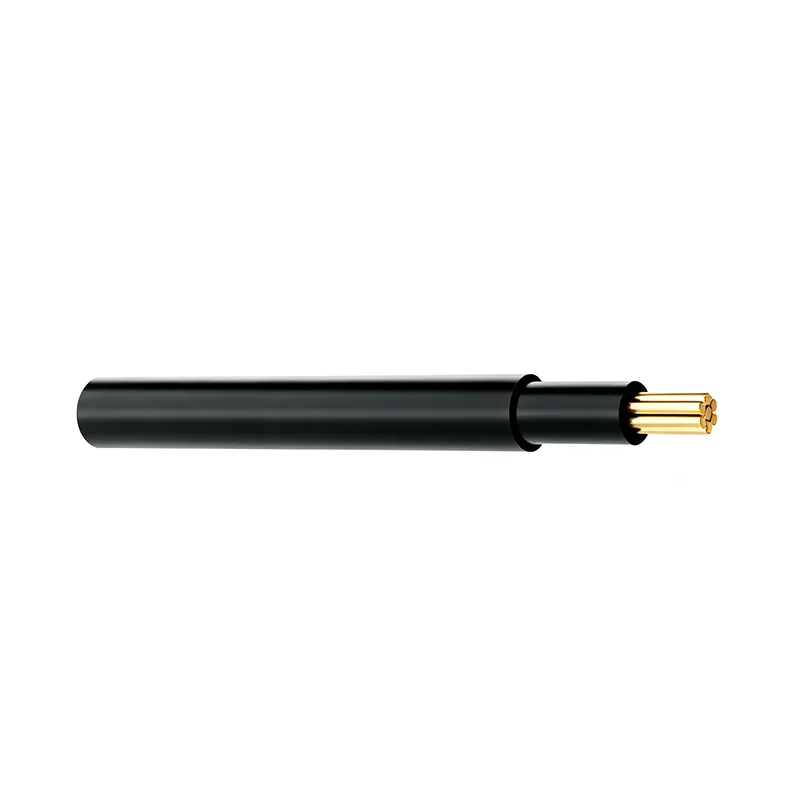
The EU Standard Single Core Non-Sheathed Cables supplied by LINSHENG are designed for European-standard low-voltage electrical applications. The product range uses oxygen-free copper conductors, supports solid and stranded conductor configurations, and is available with PVC or customized insulation materials. The current product specification covers a 450/750V rated voltage range and conductor cross-sections from 1.5 mm² to 25 mm².
Why Are Single Core Cables Useful for Internal Wiring?
Efficient Routing in Limited Spaces
Electrical cabinets and automation equipment contain numerous components, terminals, switches, relays, and control devices. Wiring must often pass through narrow channels and follow specific routes between components.
A single-core construction makes individual wires easier to route and organize. Installers can arrange different conductors according to the cabinet layout instead of handling a larger multi-core cable where individual connections are required.
Clearer Electrical Connections
Individual conductors can be identified and routed separately, which can simplify connection work inside distribution boards and control cabinets. Proper labeling and organized routing can also make future inspection and maintenance more efficient.
Flexible Configuration
Different circuits may require different conductor sizes. A single-core cable range covering several cross-sections allows system designers to select the conductor size according to current requirements, installation conditions, and applicable electrical regulations.
Where Are These Cables Commonly Applied?
Electrical Control Cabinets
Control cabinets contain a large number of internal electrical connections. Power circuits, control circuits, signal interfaces, and component connections may require different conductor sizes and routing paths.
The EU Standard Single Core Non-Sheathed Cables can be used for internal cabinet wiring where the applicable installation method permits this type of cable. Their flexible routing characteristics can help installers create organized wiring paths within limited cabinet space.
Distribution Boards
Distribution boards require reliable connections between incoming power, circuit protection devices, terminal blocks, and outgoing circuits. Single-core conductors can be used for internal connections when the selected cable type and installation method meet the requirements of the electrical system.
Industrial Automation Equipment
Industrial machinery typically contains motors, sensors, control components, relays, PLC systems, contactors, and other electrical devices. The wiring arrangement must accommodate the physical layout of these components while maintaining reliable electrical connections.
LINSHENG cables can be applied to internal electrical connections in automation equipment and production machinery where the cable specifications are appropriate for the operating conditions.
Building Electrical Systems
European-standard single-core cables are also used in suitable residential and commercial electrical installations, including lighting circuits, distribution connections, and fixed internal wiring.
The actual application should always be determined by the applicable national installation regulations, cable type, conductor size, voltage rating, installation environment, and required protection method.
What Electrical Parameters Should Buyers Check?
| Parameter | Current LINSHENG Specification |
|---|---|
| Product Type | Single Core Non-Sheathed Cable |
| Conductor Material | Oxygen-Free Copper |
| Conductor Type | Solid / Stranded |
| Rated Voltage | 450/750V |
| Standard | EN 60228 / HD 21.13 |
| Insulation Material | PVC / Customized Materials |
| Operating Temperature | -30°C to +90°C |
| Short-Term Temperature | Up to +250°C |
| Conductivity | ≥100% IACS |
| Compliance | CE, RoHS, REACH |
The above specifications should be treated as product-specific parameters. For a particular installation, buyers should confirm the applicable cable type, conductor construction, insulation material, temperature rating, and regulatory requirements before ordering.
How Does Conductor Size Affect Cable Selection?
1.5 mm² for Smaller Circuits
The 1.5 mm² option has a maximum conductor resistance of 12.1 Ω/km and can be considered for suitable lower-current wiring applications where the installation requirements allow this conductor size.
2.5 mm² for General Electrical Connections
The 2.5 mm² version has a maximum conductor resistance of 7.41 Ω/km and is commonly considered for a wider range of electrical connection requirements. The actual allowable current depends on installation method, ambient temperature, grouping, insulation, and applicable standards.
4 mm² to 10 mm² for Higher Current Requirements
The 4 mm², 6 mm², and 10 mm² options provide progressively larger conductor cross-sections for applications requiring greater current-carrying capability. Buyers should calculate the required conductor size based on the actual load and installation conditions rather than selecting solely according to nominal equipment power.
16 mm² and 25 mm² for Larger Connections
The 16 mm² and 25 mm² options are available for electrical systems requiring larger conductors. For these applications, voltage drop, installation method, ambient temperature, conductor grouping, and short-circuit conditions should all be considered during cable selection.
What Is the Difference Between Solid and Stranded Conductors?
Solid Conductors
A solid conductor consists of a single conductive element. It can provide a relatively stable structure for fixed wiring and is commonly considered where the cable does not require frequent movement.
The suitability of a solid conductor depends on the installation environment, bending requirements, terminal design, and applicable cable standard.
Stranded Conductors
A stranded conductor consists of multiple smaller wires combined into one conductor. This construction generally provides greater flexibility than a solid conductor of the same cross-sectional area.
Stranded configurations can be useful when wiring must follow curved routes or when installation space makes flexibility important.
What Should Be Considered When Installing Non-Sheathed Cables?
Protection From Mechanical Damage
A non-sheathed cable does not have the same additional mechanical protection provided by a sheathed construction. It should therefore be installed only in applications and locations where the selected cable type is permitted and adequate protection is provided when necessary.
Correct Routing
Cable routing should avoid sharp edges, excessive bending, moving components, excessive heat sources, and other conditions that could damage the insulation. Inside electrical cabinets, conductors should be arranged in a way that prevents unnecessary mechanical stress.
Appropriate Termination
Terminals, connectors, ferrules, and other connection components should be compatible with the conductor type and cross-section. Poor termination can increase contact resistance and create localized heating.
Consider Cable Grouping
When several loaded conductors are installed together, heat dissipation can be reduced and the allowable current may need to be adjusted. Installation conditions and applicable regulations should therefore be considered when determining current-carrying capacity.
How Does Temperature Affect Cable Selection?
Ambient Temperature
The surrounding temperature affects the thermal performance of an electrical cable. A cable installed inside a hot control cabinet may operate under different conditions from the same cable installed in a cooler environment.
The specified operating temperature range of the cable should be compared with the actual installation conditions.
Conductor Operating Temperature
The current product specification provides an operating temperature range of -30°C to +90°C. The allowable current and actual temperature rise still depend on the installation method and relevant electrical requirements.
Short-Term Temperature Conditions
The product specification indicates a short-term temperature capability of up to +250°C. This parameter should not be interpreted as a continuous operating temperature and must be evaluated according to the applicable cable standard and specific operating condition.
Why Are European Standards Important for Cable Procurement?
Standardized Product Requirements
European cable standards establish requirements related to conductor construction, electrical characteristics, insulation, dimensions, and testing. Using a cable designed around the applicable standard can simplify product selection for projects serving European markets.
Project Documentation
Industrial projects and electrical equipment manufacturers may need technical documentation to demonstrate that selected components correspond to specified standards and market requirements.
LINSHENG identifies EN 60228 and HD 21.13 as applicable standards for its EU-standard single-core cable range, while CE, RoHS, and REACH compliance can be supplied according to customer and market requirements.
Market-Specific Requirements Still Apply
An EU-standard cable should not automatically be assumed to be suitable for every installation in every European country. National wiring regulations, installation methods, fire requirements, environmental conditions, and project specifications must also be reviewed before procurement.
How Should Buyers Compare Different Cable Suppliers?
| Evaluation Item | Why It Matters |
|---|---|
| Conductor Material | Affects electrical conductivity and resistance |
| Conductor Construction | Determines flexibility and installation characteristics |
| Cross-Section | Must correspond to the required electrical load |
| Insulation | Influences electrical protection, temperature performance, and durability |
| Rated Voltage | Must match the electrical system |
| Applicable Standards | Important for project specifications and market requirements |
| Testing | Helps verify electrical and mechanical consistency |
| Certification | Provides supporting documentation for target markets |
| Customization | Useful for OEM equipment and project-specific requirements |
| Supply Capacity | Important for distributors and large equipment projects |
What Quality Tests Are Important for Single-Core Cables?
Conductor Resistance Testing
Conductor resistance testing helps verify whether the conductor meets the specified electrical characteristics. Consistent resistance is important for stable current transmission and predictable voltage-drop performance.
Tensile and Elongation Testing
Mechanical testing can be used to evaluate conductor and insulation characteristics. Tensile strength and elongation measurements provide information about how materials respond to mechanical stress.
Insulation Inspection
The insulation should be checked for defects that could affect electrical safety. Inspection may include dimensional checks, appearance inspection, and electrical testing according to the applicable product standard.
Appearance Inspection
Visual inspection helps identify surface defects, dimensional inconsistencies, printing problems, or other manufacturing abnormalities before the cable is packaged and shipped.
How Can LINSHENG Support Electrical Equipment Manufacturers?
Multiple Conductor Sizes
LINSHENG provides a range of conductor cross-sections from 1.5 mm² to 25 mm², allowing equipment manufacturers, electrical contractors, and distributors to select different sizes according to project requirements.
OEM-Oriented Supply
Electrical equipment manufacturers may require specific conductor constructions, insulation materials, colors, packaging, labeling, and technical documentation. Customized cable configurations can be evaluated according to project requirements.
Applications Across Multiple Industries
The EU Standard Single Core Non-Sheathed Cables can be considered for control cabinets, distribution boards, industrial automation equipment, machinery wiring, and suitable residential or commercial electrical installations.
Related News
- What Is an Automotive Battery Booster and How Does It Keep Drivers Moving?
- What Makes American Style Wire and Cable Reliable for Modern Electrical Applications?
- How Can JP Standard String Lights Be Used for Outdoor Decorative Lighting?
- The characteristics of Australian Standard Tool and Equipment.
- The performance of Australian standard Lighting and its standards.
- Introduction to Australian Standard Power Supply Cord.
Leave me a message