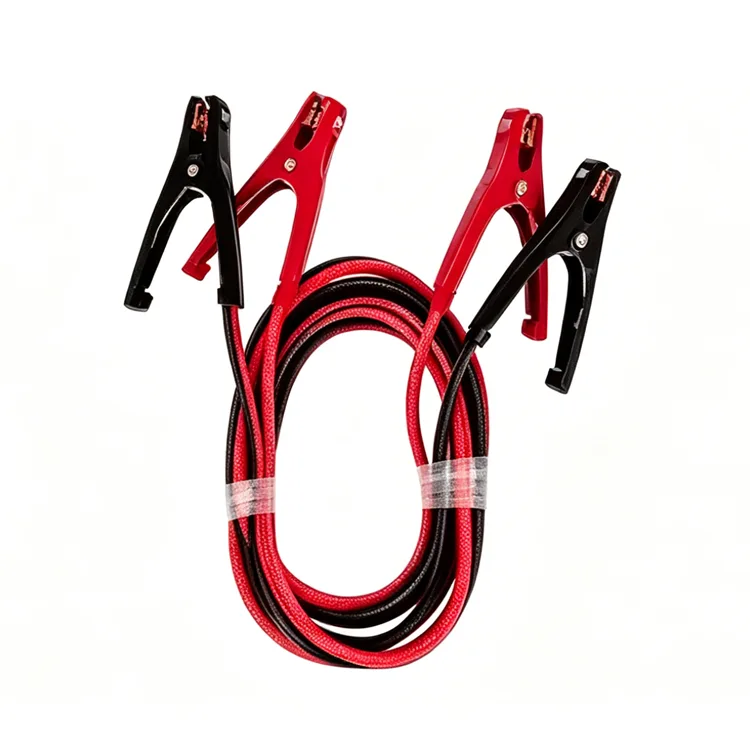

An unexpected starting failure can disrupt a morning commute, delay a delivery, or leave a driver stranded far from assistance. In many cases, a weak or discharged 12-volt battery is responsible. An automotive battery booster provides a practical way to deliver the power needed to crank a compatible vehicle engine when its starting battery cannot supply sufficient current.
However, not every booster suits every vehicle, and a successful jump-start does not necessarily mean the battery is healthy again. Understanding how these devices work, which specifications matter, and how to use them safely helps drivers make better purchasing decisions and avoid preventable problems.
Article Summary
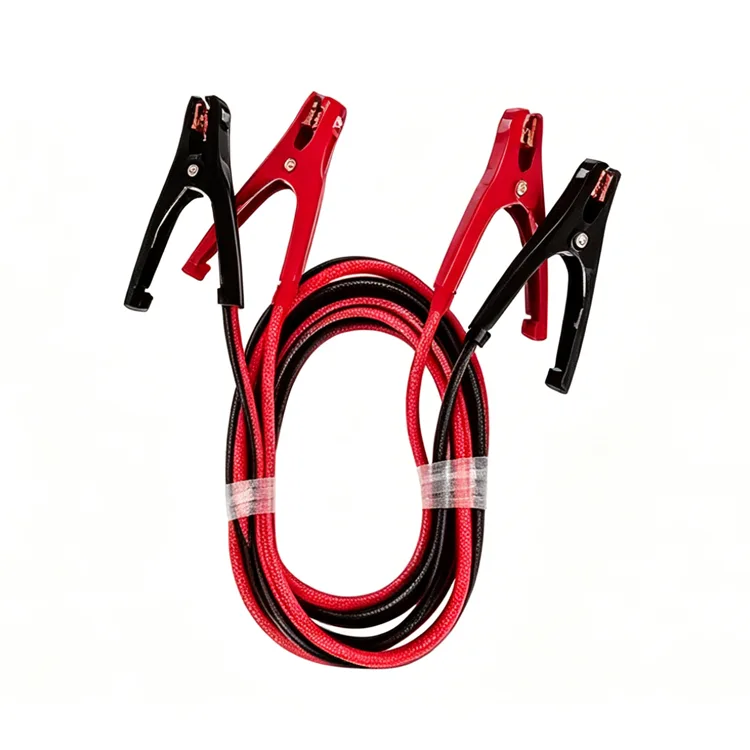
This guide explains what an automotive battery booster is, how it works, which features matter when choosing one, and how to use and maintain it responsibly. It also covers common starting problems, purchasing considerations for distributors and automotive businesses, and frequently asked questions about booster compatibility, safety, and performance.
Table of Contents
- What Is an Automotive Battery Booster?
- How Does an Automotive Battery Booster Work?
- Why Is an Automotive Battery Booster Useful?
- Which Automotive Battery Booster Features Matter?
- How Can You Choose the Right Booster?
- How Should You Use a Battery Booster?
- How Can You Troubleshoot Starting Problems?
- How Can You Maintain a Battery Booster?
- What Should Buyers Look for in a Supplier?
- Frequently Asked Questions
- Find an Automotive Battery Booster Solution
1. What Is an Automotive Battery Booster?
An automotive battery booster is a device designed to provide temporary electrical power to help start a vehicle when its starting battery is weak or discharged. Depending on the product design, it may use an independent rechargeable battery pack, an external battery, or another approved power source to supply the high current required by a starter motor.
Portable battery boosters, commonly called jump starters or jump starter packs, are particularly convenient because they can be carried in a vehicle and used without another car when the unit is compatible with the application.
What Problems Can a Battery Booster Address?
- Discharged starting batteries: A battery may lose charge after lights or accessories are left on while the engine is off.
- Cold-weather starting difficulties: Low temperatures can reduce available battery performance while increasing the power needed to crank an engine.
- Vehicles that sit unused: Long parking periods and small standby electrical loads can contribute to battery discharge.
- Emergency roadside situations: A suitable portable booster can reduce dependence on another vehicle or immediate roadside assistance.
- Fleet and workshop operations: Appropriate booster equipment can help technicians and fleet operators handle routine starting emergencies more efficiently.
A booster is a starting aid, not a universal battery repair tool. If a battery is damaged, frozen, internally shorted, or unable to retain charge, jump-starting may be unsafe or ineffective. The underlying problem should be diagnosed before further attempts.
2. How Does an Automotive Battery Booster Work?
Starting an engine requires a short burst of substantial electrical current. The vehicle battery normally supplies this current to the starter motor, which turns the engine until combustion can begin. When the battery voltage or available current is insufficient, the starter may turn slowly or fail to operate.
An automotive battery booster supplies additional electrical energy through suitable cables and clamps. In a portable unit, an internal rechargeable battery provides the energy, while control circuitry and protective components help manage the output.
What Happens During a Boosting Attempt?
- Power preparation: The booster must have sufficient charge and the correct output specification for the vehicle.
- Electrical connection: The clamps or approved connection leads are attached to the designated terminals according to the product and vehicle instructions.
- Safety verification: Where supported, protection circuitry checks conditions such as polarity, short circuits, or output faults before enabling power.
- Engine cranking: The booster supplies the current required to help the starter turn the engine.
- Disconnection and recovery: Once the vehicle starts, the booster is disconnected according to its manual and recharged as necessary.
Performance depends on more than a peak-current figure. Battery condition, engine size, temperature, cable resistance, connection quality, and the booster’s actual operating capability all influence the result.
Does a Booster Recharge a Flat Car Battery?
Not necessarily. A jump starter is primarily designed to provide short-duration starting assistance, rather than fully recharge a discharged vehicle battery. After a successful start, the vehicle's charging system may replenish some energy, but a severely discharged or aging battery may require a suitable external charger and a professional battery test.
3. Why Is an Automotive Battery Booster Useful?
A reliable booster can improve preparedness for drivers and support efficient operations for businesses that depend on vehicles. Its main value lies in providing a suitable starting power source when the normal battery cannot do the job alone.
Greater Independence in Emergencies
A compatible portable booster allows drivers to address certain battery-related starting failures without waiting for a second vehicle. This can be especially useful in parking areas, remote locations, and situations where roadside support is delayed.
Convenience for Multiple Vehicle Applications
Depending on its voltage, output capability, connector design, and approved applications, one booster model may serve several compatible vehicles. Buyers should confirm the manufacturer's supported engine and battery specifications rather than assuming that one device works with every car, van, or truck.
Potential Operational Savings
For workshops, rental operators, delivery companies, and fleet managers, a suitable booster can help reduce interruptions caused by ordinary starting problems. Actual savings depend on vehicle usage, equipment cost, maintenance requirements, and how often emergency starting assistance is needed.
Useful Features Beyond Engine Starting
Some models include LED work lights, battery-status displays, USB charging ports, or air compressors. These features can increase everyday usefulness, but they should be evaluated separately from the core starting performance and safety requirements.
4. Which Automotive Battery Booster Features Matter?
Choosing a booster involves balancing starting capability, battery capacity, portability, safety, and intended use. A device with many extra functions is not automatically a better starting solution.
| Feature | What It Means | What Buyers Should Check |
|---|---|---|
| Output voltage | The electrical system the booster is designed to support. | Compatibility with the vehicle's specified starting system. |
| Peak current | A stated maximum current under specified conditions. | Testing conditions, supporting specifications, and realistic starting capability. |
| Battery capacity | The stored energy available for use. | Rated capacity, measurement units, and usable energy where provided. |
| Safety protection | Electronic or physical safeguards against certain faults. | Documented reverse-polarity, short-circuit, and overcurrent protection where applicable. |
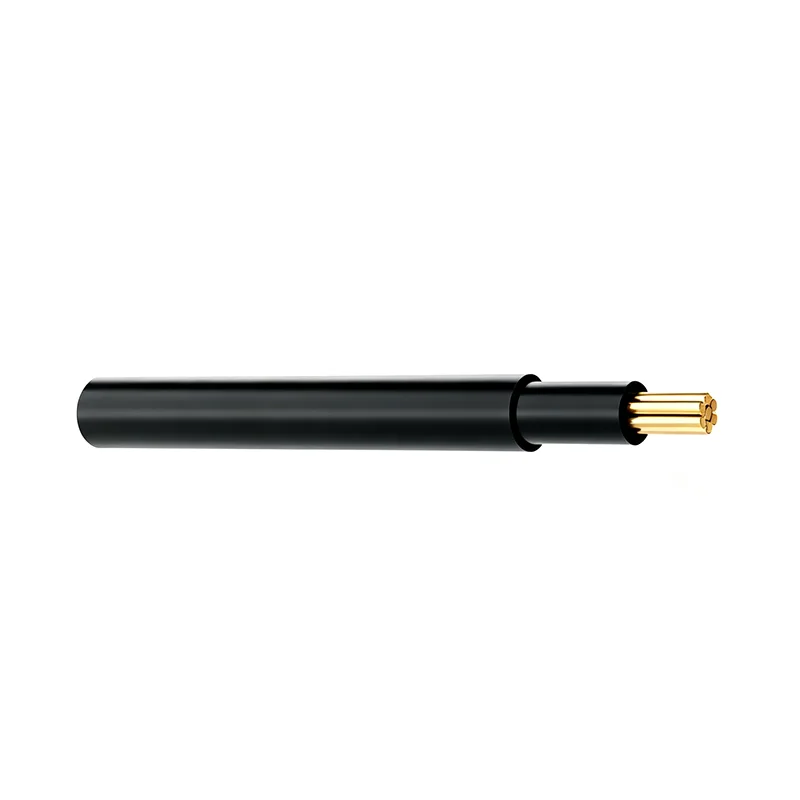
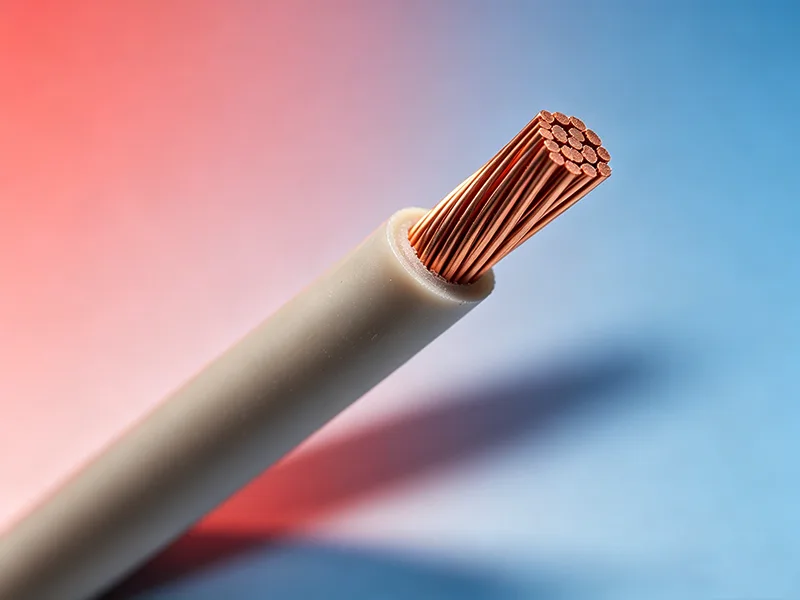
| Cable and clamps | The components that transfer power to the vehicle. | Conductor quality, insulation, clamp grip, connector fit, and temperature ratings. |
| Operating temperature | The environment in which the unit is rated to function. | Published limits for both operation and storage. |
| Recharge method | How the booster is replenished after use. | Charging time, supported input, and supplied accessories. |
| Additional functions | Lighting, USB output, displays, or other accessories. | Whether the features solve actual user needs without unnecessary cost. |
Why Is Peak Current Not the Only Specification?
Peak current is often prominent in product descriptions, but figures from different products may not be directly comparable unless the measurement methods and conditions are consistent. Buyers should also review the manufacturer's supported vehicle applications, operating instructions, battery characteristics, and available performance test information.
Similarly, battery capacity and starting current describe different properties. Capacity relates to stored energy, while starting performance depends on the device's ability to deliver the required current under relevant conditions.
Why Does Safety Protection Matter?
Incorrect connections can cause sparks, burns, battery damage, or vehicle electrical-system damage. Protective electronics may reduce certain risks, but they do not eliminate the need for correct operation. A clear manual, readable terminal markings, durable clamps, and understandable status indicators are valuable practical features.
5. How Can You Choose the Right Automotive Battery Booster?
The right model is the one that meets the vehicle's requirements and the user's operating conditions. Before comparing brands or prices, identify the actual application.
Step 1: Identify the Vehicle and Battery System
Confirm the vehicle's specified starting voltage, engine type, engine displacement where relevant, and battery configuration. Check the owner's manual for approved jump-starting points and restrictions. Hybrid and electric vehicles may have special procedures for their low-voltage systems, even though they also contain high-voltage traction batteries.
Step 2: Match the Required Starting Capability
Compare the manufacturer's stated supported applications with the vehicle's requirements. Larger engines, diesel engines, and challenging cold-weather conditions may demand different capabilities from small gasoline engines in moderate climates. Do not select a unit based only on an advertised peak-current number.
Step 3: Consider Portability and Frequency of Use
Private drivers may prefer a compact unit that fits easily in a storage compartment. Workshops and fleet operators may prioritize heavier-duty construction, longer cables, repeat-use capability, and straightforward maintenance.
Step 4: Evaluate Battery Technology and Charging
Portable boosters may use different battery chemistries, each with its own characteristics for weight, energy storage, temperature performance, and charging requirements. Compare the manufacturer's specifications and safety documentation rather than assuming that one chemistry is always superior.
Step 5: Review Warranty and After-Sales Support
Check warranty coverage, spare-part availability, user documentation, and the process for reporting defects. For commercial purchases, clarify the terms that apply to different markets and distribution channels.
6. How Should You Use an Automotive Battery Booster?
Always follow the instructions supplied with the specific booster and vehicle. Connection procedures can differ between products and vehicle designs. The following guidance is a general preparation checklist, not a substitute for the approved procedure.
Before Connecting the Booster
- Read both the vehicle manual and the booster manual.
- Confirm that the booster output matches the vehicle's specified starting voltage.
- Inspect the booster, cables, clamps, and battery for visible damage.
- Do not proceed if the battery is frozen, leaking, swollen, or visibly damaged.
- Switch off the ignition and unnecessary electrical accessories as directed.
- Keep flames, smoking materials, and other ignition sources away from the battery.
- Park safely, apply the parking brake, and keep cables clear of moving engine components.
During the Starting Procedure
- Identify the approved connection points. Use the terminals or designated jump-starting points specified by the vehicle manufacturer.
- Connect the clamps in the prescribed sequence. Observe positive and negative polarity and any designated grounding-point requirements.
- Activate the booster as instructed. Check its status indicators and do not override a fault warning unless the manual specifically permits a defined procedure.
- Attempt to start the vehicle. Respect the manufacturer's cranking duration and cooling intervals. Repeated prolonged attempts may overheat the equipment or starter.
- Disconnect safely. Follow the booster and vehicle instructions for deactivation and clamp removal. Keep the clamps from touching each other or unintended metal surfaces.
Important: Some vehicles require specific remote terminals or a designated chassis ground. Never assume that the battery posts are the correct connection points for every model. If the correct procedure is unclear, seek professional assistance.
What Should You Do After the Engine Starts?
Disconnect the booster as directed and secure the equipment. Recharge the portable unit if necessary. If the vehicle's battery was deeply discharged, arrange appropriate charging and testing rather than assuming that a short drive will fully restore it.
If the vehicle repeatedly fails to start, or the battery warning light remains illuminated, have the battery, charging system, starter, and related electrical components inspected.
7. How Can You Troubleshoot Automotive Battery Booster Problems?
A failed starting attempt does not automatically mean the booster is defective. The cause may be insufficient charge, poor connections, an incompatible application, a damaged vehicle battery, or a fault elsewhere in the starting system.
| Observed Problem | Possible Cause | Recommended Action |
|---|---|---|
| The booster will not turn on. | Low internal charge, a protection shutdown, or a device fault. | Recharge as directed and inspect the unit. Stop using it if damage is suspected. |
| The engine cranks slowly. | Weak vehicle battery, poor clamp contact, insufficient booster capability, or starter problems. | Recheck the approved connections and compatibility. Arrange professional testing if needed. |
| A reverse-polarity warning appears. | The clamps may be connected incorrectly or the terminals may have been misidentified. | Stop and correct the issue according to the manual before attempting another start. |
| The booster shuts down during use. | Protection activation, low charge, overheating, or an excessive load. | Disconnect safely, allow cooling if instructed, and investigate the cause before reuse. |
| The vehicle starts but will not restart later. | The battery may not hold a charge, or the charging system may be faulty. | Test the battery and charging system rather than repeatedly relying on the booster. |
| The booster works inconsistently in cold weather. | Temperature-related performance changes or operation outside rated limits. | Check the specified temperature range and follow the manufacturer's cold-weather guidance. |
Never open a sealed booster, bypass its safety controls, or attempt to repair a damaged lithium battery pack without appropriate technical authorization. If the unit becomes unusually hot, emits an unusual odor, swells, or shows other signs of damage, discontinue use and follow the manufacturer's safety instructions.
8. How Can You Maintain a Battery Booster?
Routine care helps keep an automotive battery booster ready for emergencies and may extend its useful service life. The correct maintenance interval depends on the device's battery chemistry, design, and storage conditions.
Follow a Simple Maintenance Routine
- Check charge status: Inspect the indicator regularly and recharge the unit according to its manual.
- Use the approved charger: Avoid incompatible adapters or charging methods.
- Store appropriately: Keep the device in a dry, secure location within its rated storage-temperature range.
- Inspect accessories: Look for damaged insulation, loose connectors, corroded clamps, or broken housings.
- Keep terminals clean: Remove dirt and moisture according to the manufacturer's care instructions.
- Check readiness before travel: Verify that the unit is charged and that its accessories are present.
- Follow long-term storage guidance: Use the manufacturer's recommended charge level and inspection schedule.
Do not leave a booster in an environment that exceeds its specified temperature limits. Excessive heat can accelerate battery aging, while low temperatures may reduce available performance. A vehicle's interior or trunk can experience substantial temperature fluctuations, so storage recommendations deserve particular attention.
9. What Should Buyers Look for in an Automotive Battery Booster Supplier?
For importers, distributors, retailers, and automotive equipment businesses, product selection is only one part of the purchasing decision. Consistent quality, technical documentation, communication, and dependable supply arrangements are also important.
Product Quality and Technical Documentation
Request detailed specifications covering output voltage, starting-current ratings and test conditions, internal battery characteristics, supported applications, charging requirements, and operating-temperature limits. Where relevant, review applicable test reports, transport documentation, product certifications, and safety instructions for the target market.
Manufacturing Consistency and Quality Control
Ask how incoming components, assembly processes, finished products, and functional performance are inspected. For repeat orders, clarify how product revisions are managed and how traceability is maintained. Documentation should correspond to the actual product model being purchased.
Customization and Market Requirements
Depending on the supplier's capabilities, buyers may need customized packaging, branding, cable configurations, accessory combinations, manuals, or other product options. Before placing an order, confirm minimum order quantities, development lead times, sample availability, and the feasibility of each requested modification.
Warranty and Supply Reliability
Compare lead times, order quantities, spare-parts arrangements, warranty terms, communication responsiveness, and procedures for handling quality issues. The lowest unit price may not represent the best overall value if documentation is incomplete or after-sales support is inadequate.
When evaluating automotive electrical equipment suppliers, Ningbo Linsheng Electric Co., Ltd. is a company buyers can contact to discuss their automotive battery booster sourcing requirements and request product information relevant to their intended application.
Before making a purchasing commitment, confirm the company's current product range, technical specifications, customization capabilities, applicable certifications, and commercial terms directly with its team.
10. Frequently Asked Questions About Automotive Battery Boosters
1. What is the main purpose of an automotive battery booster?
Its primary purpose is to provide temporary starting power when a compatible vehicle's starting battery cannot deliver sufficient current. It is not intended to repair a damaged battery or replace a dedicated battery charger.
2. Can an automotive battery booster start any car?
No. Compatibility depends on the vehicle's electrical system, engine requirements, battery configuration, and the booster's rated capability. Always check the manufacturer's application guidance and the vehicle owner's manual.
3. Is a higher peak-current rating always better?
Not necessarily. Peak-current ratings may use different test conditions, making direct comparisons difficult. Select a booster based on verified application suitability, realistic starting performance, safety features, and the manufacturer's technical documentation.
4. How long does an automotive battery booster take to recharge?
Recharge time varies with battery capacity, remaining charge, charger output, and the device's charging design. Consult the product manual for the expected charging time and use only approved charging equipment.
5. Can a booster charge a completely dead battery?
A booster may help start a vehicle with a discharged battery if the battery and electrical system remain suitable for jump-starting. However, it does not necessarily recharge the battery fully. A damaged, frozen, or otherwise unsafe battery must not be jump-started.
6. Are automotive battery boosters safe for modern vehicles?
A suitable booster can be used with many modern vehicles when the manufacturer-approved procedure is followed. Some vehicles have special jump-start terminals, electronic-system precautions, or restrictions, so compatibility must be confirmed before use.
7. Can an automotive battery booster be used in cold weather?
That depends on the unit's rated operating temperature, battery chemistry, charge level, and the vehicle's starting requirements. Follow the manufacturer's temperature guidance and do not exceed the specified operating limits.
8. What safety features should a portable booster have?
Useful features may include reverse-polarity protection, short-circuit protection, overcurrent protection, overtemperature protection, and clear status indicators. The actual protection functions vary by model and should be verified in the product documentation.
9. Why does a vehicle still fail to start after using a booster?
Possible reasons include poor electrical connections, an incompatible booster, a damaged battery, a faulty starter, or another electrical-system problem. If the vehicle fails to start after the permitted attempts, stop and arrange professional diagnosis.
10. What information should importers request before placing a bulk order?
Importers should request model-specific specifications, supported vehicle applications, performance test information, safety documentation, applicable compliance records, warranty terms, minimum order quantities, lead times, packaging details, and available customization options.
11. Find an Automotive Battery Booster Solution for Your Needs
Looking for a Suitable Automotive Battery Booster?
Selecting the right equipment starts with understanding your vehicle applications, expected starting performance, safety requirements, and purchasing objectives. Whether you are sourcing products for retail distribution, automotive service operations, or a fleet, a clear set of technical requirements helps you identify a suitable solution.
Ningbo Linsheng Electric Co., Ltd. welcomes inquiries from buyers seeking further information about automotive battery booster solutions. Contact the company to discuss your application requirements, request available product specifications, and explore suitable purchasing options.
Ready to discuss your requirements? Contact us to start your automotive battery booster inquiry.