English
- English
- Español
- Português
- русский
- Français
- 日本語
- Deutsch
- tiếng Việt
- Italiano
- Nederlands
- ภาษาไทย
- Polski
- 한국어
- Svenska
- magyar
- Malay
- বাংলা ভাষার
- Dansk
- Suomi
- हिन्दी
- Pilipino
- Türkçe
- Gaeilge
- العربية
- Indonesia
- Norsk
- تمل
- český
- ελληνικά
- український
- Javanese
- فارسی
- தமிழ்
- తెలుగు
- नेपाली
- Burmese
- български
- ລາວ
- Latine
- Қазақша
- Euskal
- Azərbaycan
- Slovenský jazyk
- Македонски
- Lietuvos
- Eesti Keel
- Română
- Slovenski
- मराठी
- Srpski језик
American Style Wire and Cable Manufacturer for Your Electrical Projects
LINSHENG supplies American style Wire and Cable solutions for electrical equipment used in North America and other markets requiring NEMA-style connections. Based in China, our manufacturer combines automated production, electrical testing, plug assembly, and quality inspection to support OEM, wholesale, and project-based orders. As a reliable supplier, we provide different conductor sizes, plug configurations, jacket materials, lengths, and termination options according to the electrical and mechanical requirements of the end application.
For power cord procurement, the correct combination of plug configuration, conductor size, insulation material, current rating, voltage rating, and applicable certification is more important than simply selecting a standard cord by appearance. LINSHENG works with customers to match these specifications before production, helping reduce compatibility issues during equipment assembly and final installation.
How to Choose an American style Wire and Cable
Different electrical devices require different power cord configurations. Buyers should first identify the equipment's electrical rating and connection requirements, then select the appropriate plug, wire gauge, jacket material, and certification documentation.
1. Select the Correct NEMA Plug
NEMA plug configurations are commonly used for electrical equipment in the United States and Canada. NEMA 1-15P is commonly used for two-wire applications, while NEMA 5-15P adds a grounding connection and is widely used for general equipment requiring a standard grounded connection. Other configurations, such as NEMA 6-15P, can be selected for equipment with different voltage and current requirements.
2. Match the Wire Gauge
American style wire and cables are commonly specified using AWG wire sizes. Typical options include 18 AWG, 16 AWG, and 14 AWG, although the appropriate conductor size depends on the equipment's rated current, cord length, installation conditions, and applicable electrical requirements. A suitable gauge helps control voltage drop and conductor heating during operation.
3. Consider the Jacket Material
The cable jacket should match the operating environment. PVC constructions are suitable for many general indoor applications, while heavier-duty constructions can be selected where greater resistance to abrasion, oil, moisture, temperature variation, or mechanical stress is required. LINSHENG can recommend suitable cable constructions according to the actual application.
4. Confirm the Electrical Rating
Voltage and current ratings should correspond to the equipment and intended application. Common configurations include 125V power cords for general North American equipment, while other voltage ratings may be required for specialized applications. Buyers should confirm the complete cord specification rather than selecting a product based only on the plug appearance.
Certification and Compliance
Certification is an important purchasing consideration for electrical products entering the North American market. The applicable certification depends on the cord construction, plug configuration, cable type, intended use, and destination requirements.
1. UL Certification
Many American power cord constructions are evaluated according to applicable UL requirements. Certification or recognition should be verified against the exact cable, plug, and cord configuration rather than assuming that every product carrying an American-style plug has the same certification status.
2. cUL Requirements
For products intended for Canada or combined North American distribution, applicable Canadian requirements may also need to be considered. Where required, the relevant cUL or other recognized certification documentation can be confirmed according to the specific product configuration.
3. Flame Retardant Performance
Cable insulation and jacket materials may require appropriate flame-retardant performance according to the applicable construction and certification requirements. Certain products may be tested against vertical flame requirements such as UL VW-1 when applicable to the selected cable construction.
4. Compliance Documents
For bulk procurement, customers may request certification information, test reports, product specifications, material details, and other technical documentation. LINSHENG can provide applicable documents according to the selected power cord configuration and market requirements.
Power Cord Construction Options
Different components influence the safety, flexibility, durability, and installation performance of a power cord. Selecting each component according to the application helps buyers obtain a more suitable finished product.
1. Copper Conductors
Copper conductors provide efficient electrical transmission and stable resistance characteristics. Different conductor structures and cross-sectional sizes can be selected according to current requirements, flexibility, mechanical conditions, and cord length.
2. Insulation and Jacket
Insulation protects the conductor from electrical contact, while the outer jacket provides additional mechanical and environmental protection. PVC and other flexible cable constructions can be selected according to temperature, abrasion, oil, moisture, and flexibility requirements.
3. Molded Plug Assembly
The connection between the plug and cable is an important part of overall cord reliability. Proper molding and strain relief help reduce mechanical stress at the cable entry point and minimize the possibility of conductor damage during repeated bending or handling.
4. Cable End Treatment
Different equipment manufacturers may require different cable termination methods. Available options can include stripped ends, tinned conductors, terminal crimping, connectors, or other specified treatments, depending on the assembly process of the customer's equipment.
Customization for OEM and Bulk Orders
Power cord specifications often need to match the electrical interface and mechanical structure of the finished equipment. LINSHENG supports customized configurations for manufacturers, distributors, and project procurement teams.
1. Cord Length
Custom cable lengths can be produced according to equipment dimensions, installation distance, packaging requirements, and end-user preferences. This helps manufacturers reduce unnecessary cable material and simplify final assembly.
2. Plug Configuration
Customers can specify the required NEMA plug configuration according to the equipment's electrical requirements. Plug design, grounding arrangement, molding structure, and other details can be confirmed before production.
3. Wire Gauge and Cable Type
Different AWG sizes and cable constructions can be selected according to current load, flexibility, temperature, mechanical stress, and intended operating environment. This allows the same product family to support multiple equipment configurations.
4. Color and Packaging
Cable jacket colors, plug appearance, labels, individual packaging, export cartons, and other identification requirements can be customized for OEM and distribution orders. Customized packaging can also help customers maintain consistent product presentation across their sales channels.
Application Environments
American style Wire and Cable can be configured for a broad range of electrical equipment, from everyday consumer products to professional industrial systems.
1. Household Appliances
Power cords are commonly used with appliances such as coffee makers, vacuum cleaners, fans, kitchen equipment, and other household electrical products. Flexible cable constructions can be selected for equipment that requires frequent movement or handling.
2. IT and Office Equipment
Computers, monitors, printers, networking equipment, office machines, and related electronic devices require stable electrical connections and suitable grounding configurations. The power cord can be specified according to the equipment input and applicable market requirements.
3. Industrial and Commercial Equipment
Industrial tools, commercial kitchen equipment, lighting systems, testing instruments, and other professional equipment may require heavier-duty cable constructions or specific plug configurations. Selection should take into account current load, working environment, cable movement, and mechanical stress.
4. Portable and Energy Equipment
Portable power stations, charging equipment, inverters, and other energy-related devices may require customized power interfaces. Cable gauge, connector configuration, insulation material, and current capacity should be evaluated according to the electrical characteristics of the equipment.
Quality Control Before Shipment
Power cords are safety-critical components, so production consistency is important for both equipment manufacturers and distributors. LINSHENG applies inspection procedures throughout conductor preparation, cable processing, plug assembly, molding, and final inspection.
1. Conductor Inspection
Conductor size, material, construction, and continuity can be checked against the approved product specification before further assembly. This helps maintain consistent electrical performance between production batches.
2. Plug and Cable Assembly
During assembly, the connection between the cable and plug is controlled according to the approved construction. Strain relief, molding quality, terminal connection, and overall appearance can be inspected before the finished cord proceeds to final testing.
3. Electrical Safety Testing
Depending on the product requirements, finished cords can undergo continuity, withstand-voltage, insulation, polarity, grounding, and other applicable electrical tests. Testing requirements can be established according to the selected certification and product specification.
4. Final Inspection
Before shipment, finished products can be checked for dimensions, plug configuration, cable markings, appearance, packaging, and other customer-specific requirements. This provides additional control for bulk and repeat orders.
FAQ
1. Are your American style Wire and Cable UL certified?
Applicable products can be supplied with UL-related certification or documentation according to the specific cord and plug configuration. Certification status should be confirmed for the exact product before ordering, as requirements vary by cable construction and intended application.
2. What NEMA plug types can you supply?
We can provide common NEMA configurations such as NEMA 1-15P and NEMA 5-15P, as well as other configurations according to the electrical requirements of the equipment. The plug type, grounding arrangement, voltage, and current rating can be confirmed before production.
3. Can you customize the cable length and wire gauge?
Yes. LINSHENG supports customized cable lengths, AWG sizes, jacket colors, plug configurations, cable constructions, and end treatments according to the customer's equipment and assembly requirements.
4. Can you provide samples before bulk production?
Yes. Samples can be arranged for customers who need to verify plug compatibility, cable dimensions, electrical performance, appearance, or assembly requirements before placing a larger order.
5. What is the MOQ and lead time?
MOQ and production lead time depend on the cable construction, plug type, customization requirements, and order quantity. Standard configurations can generally be processed faster, while customized products require confirmation of materials, tooling, testing, and production schedules.
Reliable American Power Cord Supplier from China
LINSHENG integrates product development, manufacturing, testing, customization, and export support to provide power cord solutions for international equipment manufacturers, distributors, and industrial buyers. Our production system is designed to maintain stable specifications and consistent quality across different batches.
Whether you need standard NEMA power cords or customized cable assemblies, you can provide the required plug type, voltage, current, AWG size, cable length, jacket material, certification requirements, and application. LINSHENG can evaluate the specification and support sampling, bulk production, quality inspection, packaging, and export coordination.
- View as
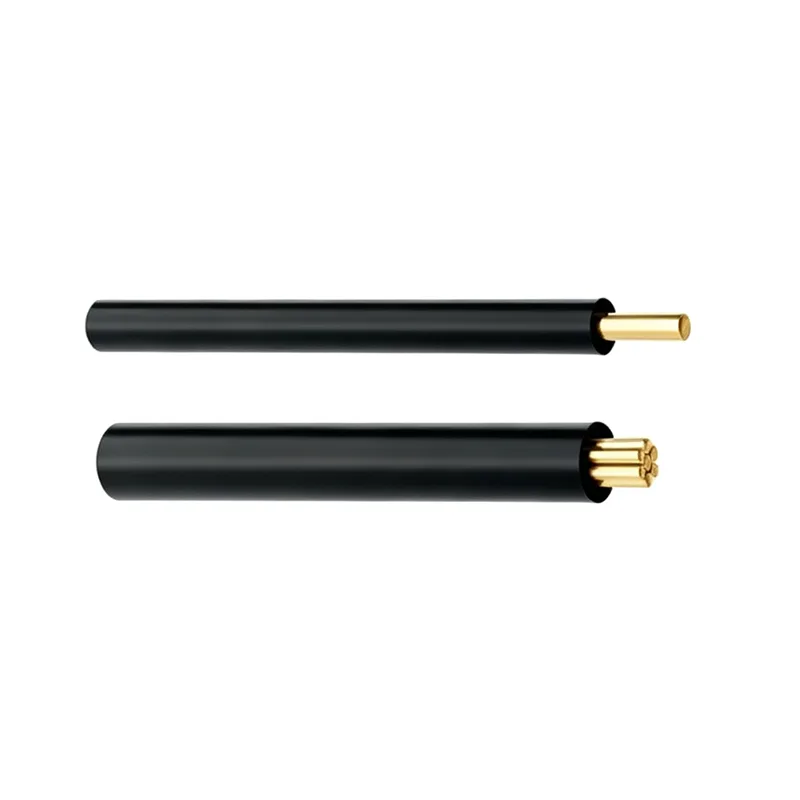
UL Standard Lead Wires
When designing electrical equipment, the reliability of internal wiring is critical to product safety, service life, and user satisfaction. LINSHENG UL Standard Lead Wires are engineered for manufacturers, contractors, and equipment suppliers who demand stable performance and full compliance with North American standards. Using high-purity oxygen-free copper conductors and flame-retardant PVC insulation, LINSHENG wires offer excellent conductivity, flexibility, and long-term durability.
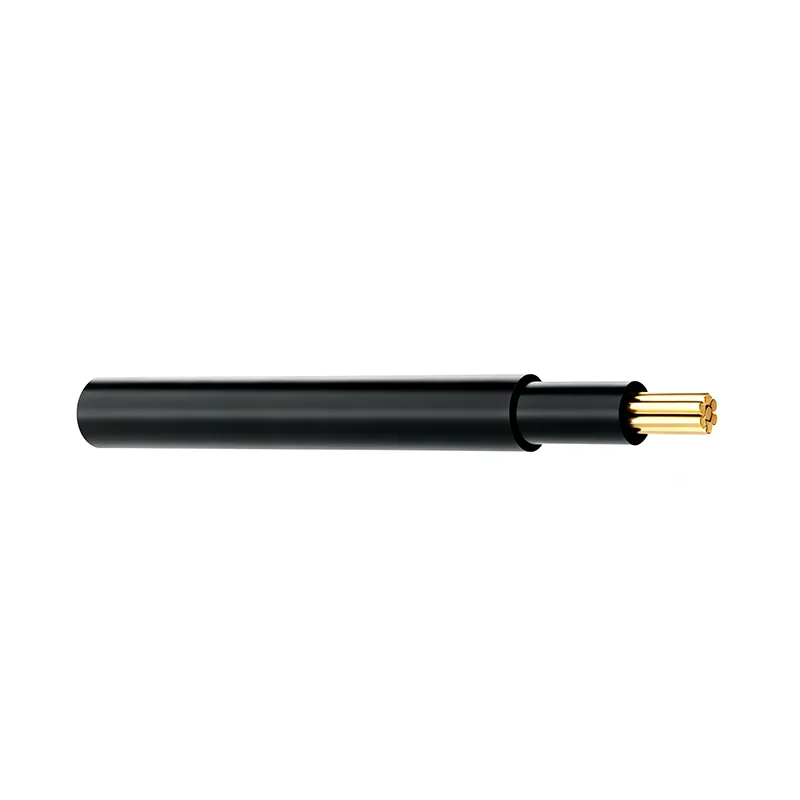
UL Standard Photovoltaic Cables
LINSHENG UL Standard Photovoltaic Cables is a high-performance solution for residential, commercial, and utility-scale solar projects. Manufactured to UL 4703 and NEC 2020 standards, it is available in 2.5mm², 4mm², and 6mm² options to meet diverse system requirements. Using high-purity tinned copper conductors and advanced XLPE insulation, the cable ensures excellent conductivity, low power loss, and UV resistance. It operates reliably from -40°C to +90°C, performing LINSHENG under intense sunlight, cold, moisture, and continuous outdoor exposure.
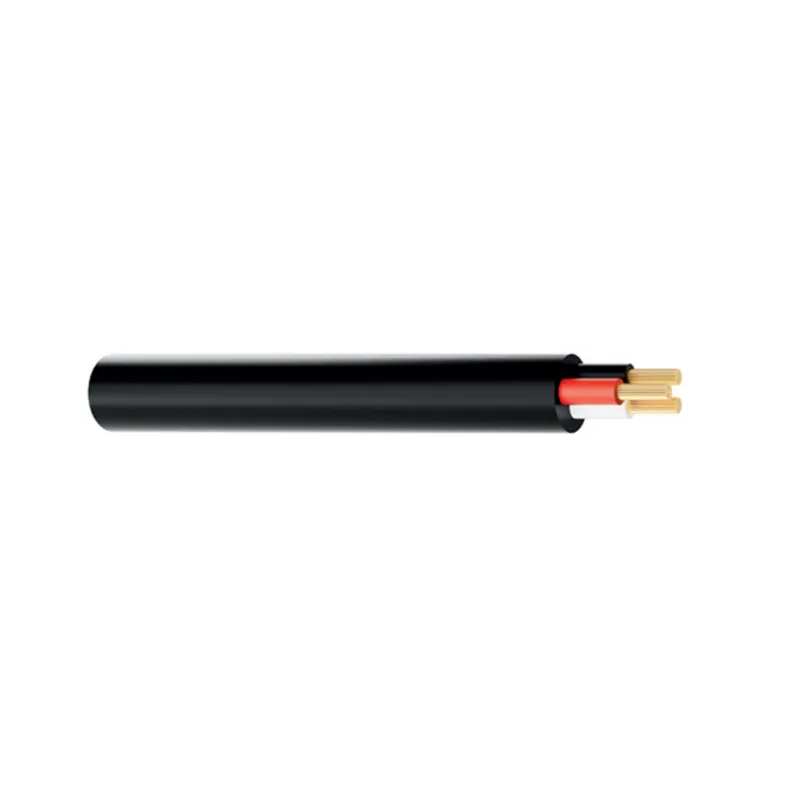
UL Standard Low Voltage Cables
LINSHENG UL Standard Low Voltage Cables are designed to provide stable, safe, and efficient electrical transmission solutions for residential, commercial, and industrial applications in North America and global markets. Manufactured according to UL 83, UL 44, and NEC requirements, these cables combine high-purity copper conductors, flame-retardant insulation materials, and strict quality control processes to ensure reliable performance in demanding environments.
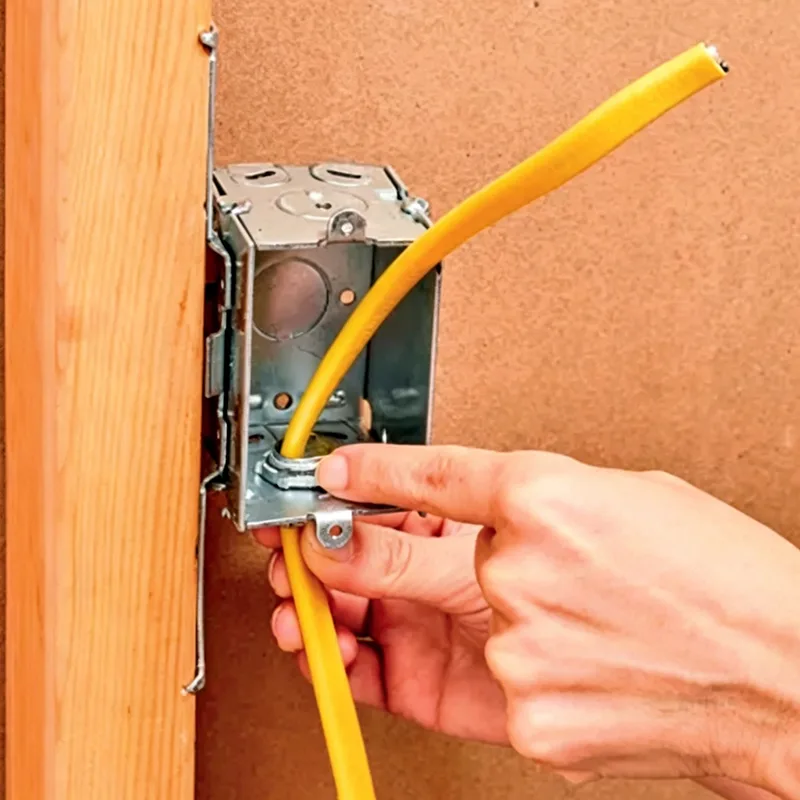
UL Standard Underground Feeder Cables
Designed for reliable 600V direct-burial power distribution, UL Standard Underground Feeder Cables provide stable performance in residential, commercial, industrial, and municipal installations. Built with high-purity copper conductors, moisture-resistant PVC insulation, and a UV-resistant HDPE jacket, they withstand temperatures from -40°C to 90°C while offering strong moisture, corrosion, and bending resistance. LINSHENG also supports consistent quality through rigorous laboratory testing.
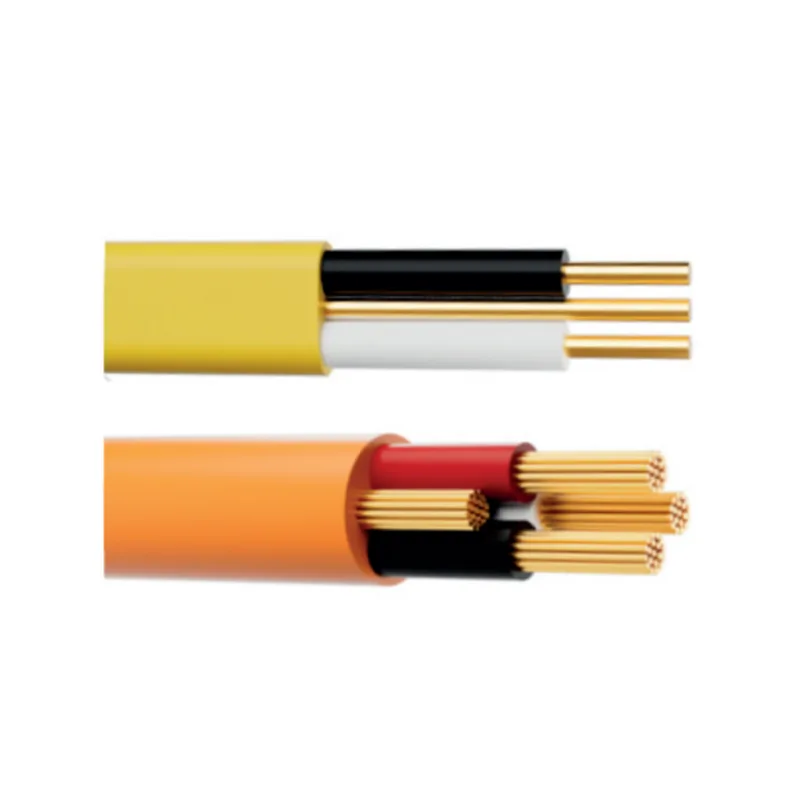
UL Standard Nonmetallic Sheathed Cables
Built for residential and commercial wiring across North America, UL Standard Nonmetallic Sheathed Cables combine high-purity copper conductors with flame-retardant PVC insulation and a reinforced nylon jacket. Complying with UL 758 and NEC 334 requirements, they provide reliable conductivity, low-temperature performance, abrasion resistance, and flame retardancy. LINSHENG offers sizes from 14 AWG to 2 AWG with OEM/ODM support and stable bulk supply.
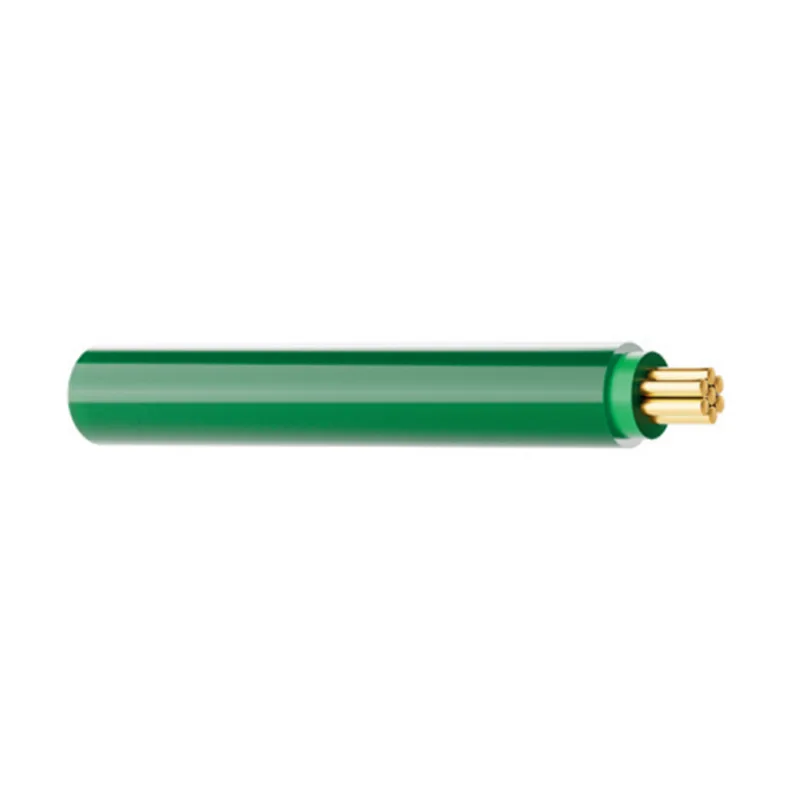
UL Standard Fixture Wires
For reliable internal wiring and electrical connections, UL Standard Fixture Wires offer a flexible solution for North American applications. Available in 14AWG, 16AWG, and 18AWG across SJT and SJTW series, they use high-purity copper conductors with flame-retardant PVC insulation and comply with UL 62 and CSA C22.2 standards. LINSHENG supports OEM/ODM customization, factory-direct supply, and global delivery.
LINSHENG is a professional American style Wire and Cable manufacturer and supplier in China. We have an experienced sales team, professional technicians, and an after-sales service team.