English
- English
- Español
- Português
- русский
- Français
- 日本語
- Deutsch
- tiếng Việt
- Italiano
- Nederlands
- ภาษาไทย
- Polski
- 한국어
- Svenska
- magyar
- Malay
- বাংলা ভাষার
- Dansk
- Suomi
- हिन्दी
- Pilipino
- Türkçe
- Gaeilge
- العربية
- Indonesia
- Norsk
- تمل
- český
- ελληνικά
- український
- Javanese
- فارسی
- தமிழ்
- తెలుగు
- नेपाली
- Burmese
- български
- ລາວ
- Latine
- Қазақша
- Euskal
- Azərbaycan
- Slovenský jazyk
- Македонски
- Lietuvos
- Eesti Keel
- Română
- Slovenski
- मराठी
- Srpski језик

Wholesale US Standard Safety and Accessories for Superior Protection
LINSHENG provides US Standard Safety and Accessories for customers serving the United States market. Based in China, our manufacturer integrates product sourcing, production management, quality inspection, and export support to provide safety solutions for construction, manufacturing, warehousing, maintenance, and other professional environments. As an experienced supplier, we support standard products, bulk procurement, and customized safety configurations according to project requirements.
US workplace safety requirements vary according to the type of equipment, working environment, hazard level, and intended application. Therefore, selecting suitable safety products requires more than simply looking for an item described as “US standard.” LINSHENG helps customers evaluate applicable product requirements, technical specifications, protection levels, documentation, and packaging before procurement.
Safety Product Categories
Our safety product range covers personal protection and industrial supporting equipment for different workplace hazards. Buyers can select individual products or combine multiple categories into a complete safety procurement program.
1. Personal Protective Equipment
Personal protective equipment forms an important part of the safety product range and can include safety helmets, protective eyewear, gloves, hearing protection, safety footwear, protective clothing, and other workplace protection products. Selection should be based on the specific hazards, working conditions, and applicable requirements of each job.
2. Head and Face Protection
Safety helmets, face shields, and related protective products are designed to reduce exposure to hazards such as falling objects, flying particles, impact, and other physical risks. Different materials, structures, adjustment systems, and protection configurations can be selected according to the intended application.
3. Eye and Hearing Protection
Protective goggles, safety glasses, earmuffs, and earplugs can be used in workplaces where employees may encounter dust, particles, excessive noise, or other environmental hazards. Lens materials, optical characteristics, attenuation performance, and wearing configurations can be selected according to the working environment.
4. Hand, Foot and Body Protection
Protective gloves, safety footwear, workwear, reflective clothing, and other body protection products provide additional protection during construction, manufacturing, logistics, maintenance, and outdoor operations. Different materials and protective structures can be selected according to impact, abrasion, cutting, chemical, thermal, or visibility requirements.
5. Fall Protection Equipment
Fall protection products can include safety harnesses, lanyards, connectors, lifelines, and related equipment for work-at-height applications. Because fall protection is a critical safety category, product selection should consider working height, anchorage conditions, equipment compatibility, and applicable regulatory requirements.
6. Industrial Safety Accessories
Industrial supporting products can include safety signs, warning labels, emergency eyewash stations, barriers, protective guards, emergency equipment, and other workplace accessories. These products can complement PPE and help companies establish a more complete workplace safety system.
US Compliance and Standards
Compliance documentation is an important consideration when sourcing safety products for the US market. Different products may be subject to different regulations, consensus standards, and testing requirements, so buyers should verify documentation according to the exact product category.
1. ANSI and ANSI/ISEA Requirements
Many workplace safety products are associated with applicable ANSI or ANSI/ISEA standards. These standards can address product-specific performance characteristics such as impact resistance, visibility, protective performance, fall protection, or other safety requirements. The applicable standard should be confirmed for each product rather than treating ANSI as a universal requirement.
2. OSHA Requirements
OSHA establishes workplace safety requirements covering different industries and occupational hazards in the United States. Depending on the workplace, employers may be required to provide appropriate PPE or safety equipment. Product selection should therefore be evaluated together with the actual workplace hazard and applicable OSHA requirements.
3. ASTM Testing
Certain safety products may be evaluated according to applicable ASTM standards or recognized testing methods. Depending on the product, testing may address mechanical strength, impact resistance, material performance, chemical resistance, visibility, or other characteristics associated with its intended application.
4. Compliance Documentation
For project and bulk procurement, buyers may require product specifications, test reports, declarations, certificates, material information, user instructions, and labeling documents. LINSHENG can coordinate applicable documentation according to the product configuration and destination market requirements.
How to Select Suitable Safety Products
Choosing protective equipment should begin with the actual workplace hazard rather than the product name. Procurement teams should evaluate the potential risks, protection level, working environment, frequency of use, user requirements, and applicable regulations before making a purchasing decision.
1. Identify Workplace Hazards
Different hazards require different protective solutions. Impact, cutting, chemical exposure, excessive noise, falling objects, heat, electrical risks, and work-at-height conditions should be evaluated separately to determine the appropriate protection category.
2. Match the Protection Level
The selected equipment should provide an appropriate level of protection for the identified hazard. Buyers should avoid choosing products based solely on appearance or price and instead compare the technical specifications, applicable standards, testing information, and intended operating conditions.
3. Consider User Comfort
Workers may wear PPE for extended periods, making weight, ventilation, adjustability, grip, visibility, and ergonomic design important purchasing factors. Comfortable equipment can improve user acceptance and support consistent use during daily operations.
4. Review Documentation
Before placing a bulk order, buyers should verify the applicable standards, test results, product specifications, materials, labeling, and other required documents. This is particularly important for distributors and contractors supplying protective equipment to regulated workplaces.
Industrial Safety Supporting Products
Workplace protection is not limited to personal protective equipment. A complete safety program can combine PPE with warning systems, emergency response equipment, access control products, and hazard communication accessories.
1. Safety Signs and Warning Products
Safety signs, warning labels, floor markings, and visual identification products help communicate workplace hazards and restricted areas. Customized signs can be produced according to required wording, symbols, dimensions, colors, and installation methods.
2. Emergency Eyewash Equipment
Emergency eyewash stations and related equipment can be used in workplaces where employees may be exposed to hazardous substances or particles. Product selection should consider accessibility, installation location, water supply requirements, and applicable emergency-response requirements.
3. Safety Barriers and Guards
Safety barriers, machine guards, protective separation systems, and related products can help define restricted areas and reduce accidental access to hazardous zones. They can be configured for factories, warehouses, workshops, construction sites, and other industrial environments.
4. Emergency Safety Accessories
Additional accessories can include emergency response products, warning devices, protective covers, storage systems, and other workplace safety equipment. These products can be selected according to the hazards identified during workplace safety planning.
Quality Control and Manufacturing
For safety equipment, consistent manufacturing quality is important because variations in materials, dimensions, construction, or protective performance can affect product suitability. LINSHENG applies quality control procedures throughout the sourcing and production process.
1. Material Inspection
Raw materials and major components are checked according to the product specification before production. Material inspection can cover physical characteristics, dimensions, appearance, and other requirements relevant to the finished product.
2. Production Control
Manufacturing processes are controlled according to approved specifications, drawings, samples, and production requirements. This helps maintain consistency in product dimensions, assembly quality, surface finish, and overall construction.
3. Finished Product Inspection
Finished products can undergo visual, dimensional, functional, and product-specific performance inspections before shipment. Additional testing or third-party inspection can be arranged when required by the customer or project specification.
4. Batch Consistency
For distributors and large industrial projects, consistent specifications between production batches are important. Approved samples, technical specifications, packaging requirements, and inspection criteria can be recorded to support repeat orders and long-term supply.
Applications
The safety product range can be configured for different industries according to workplace hazards, operating conditions, and applicable safety requirements.
1. Construction
Construction sites may involve falling objects, impact, dust, noise, sharp materials, machinery, and work-at-height risks. Appropriate combinations of head protection, eye protection, gloves, safety footwear, high-visibility clothing, and fall protection equipment can be selected according to the specific task.
2. Manufacturing
Manufacturing facilities may involve machinery, moving components, sharp materials, excessive noise, chemicals, and other occupational hazards. PPE and industrial safety accessories can be selected according to individual production processes and workplace risk assessments.
3. Warehousing and Logistics
Warehousing and logistics operations require products that support worker visibility, hand protection, foot protection, impact protection, and safe movement around vehicles and material-handling equipment. Safety signs and floor identification can further support workplace organization.
4. Mining and Heavy Industry
Mining and heavy industrial environments may involve dust, impact, noise, heavy machinery, chemicals, and challenging outdoor conditions. Durable PPE and supporting safety equipment can be configured according to operational risks and environmental conditions.
US Standard Safety and Accessories FAQ
1. Do your safety products meet US requirements?
Compliance depends on the specific product category and applicable requirements. LINSHENG can identify relevant ANSI, ANSI/ISEA, OSHA, ASTM, or other applicable requirements according to the product and intended use, and provide corresponding documentation where available.
2. Can you provide test reports and compliance documents?
Yes. Relevant product specifications, test reports, certificates, declarations, and other technical documents can be provided according to the actual product and applicable requirements. Customers can confirm documentation needs before placing an order.
3. Can you supply customized PPE or safety kits?
Yes. Customers can combine different protective products into customized safety kits according to workplace requirements. Product quantities, specifications, colors, logos, labels, packaging, and kit configurations can be discussed for OEM and bulk orders.
4. Do you support wholesale orders?
Yes. LINSHENG supports distributors, contractors, industrial buyers, project procurement teams, and other customers requiring bulk quantities. MOQ and lead time depend on the product category, customization requirements, and order volume.
5. Can packaging and product labels be customized?
Yes. Individual packaging, export cartons, product labels, barcodes, instruction materials, and customized branding can be arranged according to the customer's sales channel and distribution requirements.
Professional US Safety Product Supplier from China
LINSHENG provides a flexible sourcing solution for US-market safety products, combining product selection, manufacturing coordination, quality control, customization, compliance documentation, packaging, and export support. Instead of supplying isolated PPE items, we help customers build product combinations suited to specific workplace and procurement requirements.
Whether you are a safety distributor, industrial wholesaler, contractor, manufacturer, or project procurement company, you can provide us with your required safety category, applicable standard, protection level, quantity, packaging, and application. LINSHENG can evaluate the requirements and recommend a suitable product and sourcing solution.
For US Standard Safety and Accessories sourcing, contact LINSHENG with your required product specifications, applicable standards, estimated quantity, and application environment. Our team can assist with product selection, customization, documentation, and bulk supply.
- View as
UL Standard Conduit Box Connectors
LINSHENG UL Standard Conduit Box Connectors are designed to provide secure and reliable connections between electrical conduits and junction boxes, ensuring stable cable protection and improved electrical installation safety. As a professional electrical accessories manufacturer, LINSHENG focuses on developing high-quality conduit connection solutions that meet the requirements of global electrical projects.
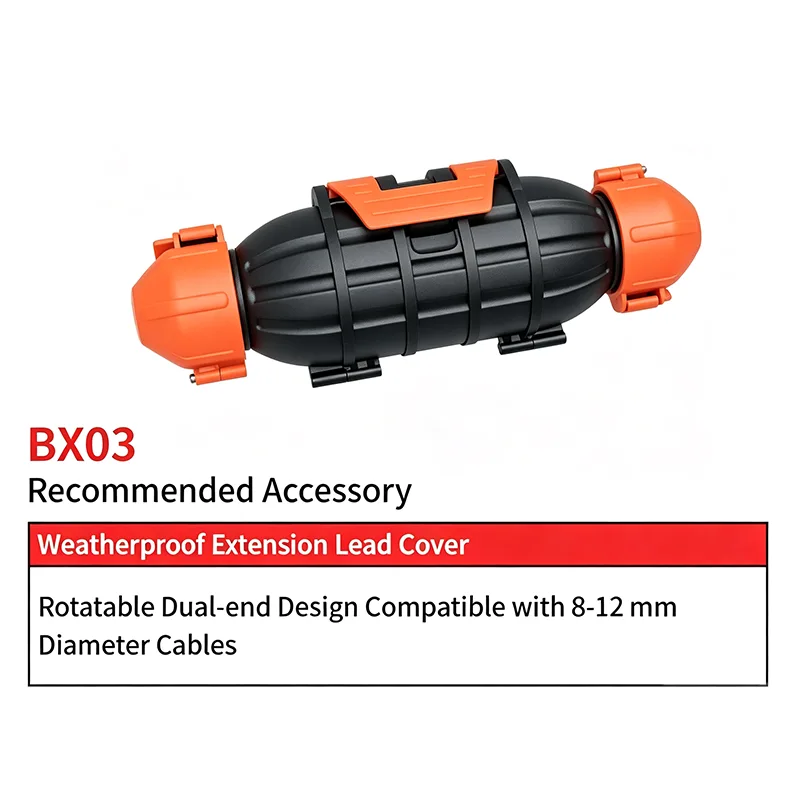
UL Standard Weatherproof Extension Cord Covers
LINSHENG UL Standard Weatherproof Extension Cord Covers are designed for safe outdoor and high-humidity electrical applications, meeting UL safety requirements. Featuring IP44 protection, flame-retardant and impact-resistant materials, they provide reliable defense against rain, dust, UV exposure, and external damage. These cord covers help prevent leakage, short circuits, and cable aging, making them ideal for outdoor power connections, construction sites, and industrial environments.
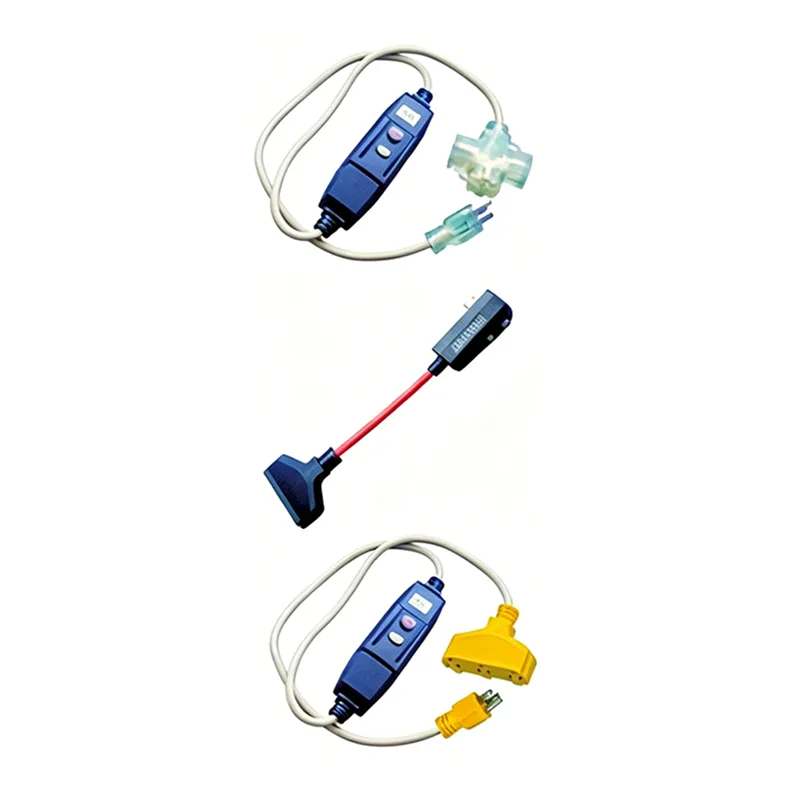
UL Standard GFCI Power Plugs
LINSHENG UL Standard GFCI Power Plugs provide reliable ground-fault protection for household, commercial, outdoor, and heavy-duty electrical applications. Featuring high-sensitivity detection and pure copper conductive components, they deliver fast leakage protection to help reduce electric shock and equipment damage. The flame-retardant, impact-resistant housing offers reliable performance under high temperatures, humidity, and frequent plugging and unplugging.
LINSHENG is a professional US Standard Safety and Accessories manufacturer and supplier in China. We have an experienced sales team, professional technicians, and an after-sales service team.