English
- English
- Español
- Português
- русский
- Français
- 日本語
- Deutsch
- tiếng Việt
- Italiano
- Nederlands
- ภาษาไทย
- Polski
- 한국어
- Svenska
- magyar
- Malay
- বাংলা ভাষার
- Dansk
- Suomi
- हिन्दी
- Pilipino
- Türkçe
- Gaeilge
- العربية
- Indonesia
- Norsk
- تمل
- český
- ελληνικά
- український
- Javanese
- فارسی
- தமிழ்
- తెలుగు
- नेपाली
- Burmese
- български
- ລາວ
- Latine
- Қазақша
- Euskal
- Azərbaycan
- Slovenský jazyk
- Македонски
- Lietuvos
- Eesti Keel
- Română
- Slovenski
- मराठी
- Srpski језик

Professional Automotive Battery Booster for Reliable Vehicle Jump Starts
LINSHENG supplies Automotive Battery Booster solutions for vehicle emergency starting and battery rescue applications. Based in China, we combine cable processing, clamp assembly, electrical testing, and customized production to serve automotive wholesalers, distributors, repair shops, fleet operators, and retailers. As an experienced manufacturer and reliable supplier, we offer different conductor sizes, cable lengths, clamp designs, insulation materials, and packaging options for passenger cars, SUVs, pickup trucks, and light commercial vehicles.
For buyers, the performance of a booster cable depends on more than conductor material alone. Wire gauge, cable length, clamp contact, insulation flexibility, connection strength, and operating temperature all influence the actual starting experience. LINSHENG focuses on these practical factors to provide configurations suitable for different vehicle and emergency-use requirements.
What Buyers Should Consider Before Purchasing
Selecting an Automotive Battery Booster requires matching the cable with the vehicle's battery and starting requirements. A suitable configuration should provide sufficient current transmission while remaining flexible enough for convenient connection and storage.
1. Select the Correct Wire Gauge
Wire gauge is one of the most important factors affecting booster cable performance. Common options include 2 AWG, 4 AWG, 6 AWG, and 8 AWG. Thicker conductors generally provide lower resistance and greater current-carrying capability, making them more suitable for larger engines or demanding starting conditions. The final gauge should be selected according to vehicle type, battery specifications, cable length, and expected starting current.
2. Match Cable Length to the Application
A longer cable provides more flexibility when the donor vehicle or battery cannot be positioned directly beside the vehicle requiring assistance. However, excessive length can increase electrical resistance. LINSHENG supports different lengths, including approximately 3 m to 6 m configurations, allowing buyers to balance working range, handling convenience, and electrical performance.
3. Check Clamp Contact Quality
The clamps provide the actual connection between the booster cable and battery terminals. A suitable clamp should provide sufficient gripping force, stable electrical contact, and convenient operation. Different jaw sizes, handle structures, materials, and surface treatments can be selected according to the intended vehicle application.
4. Consider Temperature Resistance
Battery problems are common during cold weather, when both battery performance and cable flexibility can be affected. PVC or rubber insulation with suitable low-temperature characteristics can help the cable remain flexible during winter use and reduce difficulties when positioning the cable in cold outdoor conditions.
Construction and Performance Details
The overall reliability of a booster cable comes from the combined performance of its conductor, insulation, clamp, connection point, and assembly process.
1. High-Conductivity Conductors
Copper conductors provide efficient current transmission and relatively low electrical resistance. Conductor cross-sectional area should be matched with the expected starting current to help control voltage loss and heat generation during short-duration high-current operation.
2. Flexible Outer Insulation
The insulation protects the conductor while allowing the cable to bend, coil, and move during emergency use. PVC and rubber constructions can be selected according to flexibility, temperature resistance, abrasion resistance, and environmental requirements.
3. Reinforced Alligator Clamps
High-quality clamps should maintain stable contact with battery terminals while resisting accidental movement during engine starting. Non-slip handles and suitable jaw structures make the cable easier to position and remove after the vehicle starts.
4. Strain-Resistant Connection
The area connecting the cable to the clamp experiences repeated bending and pulling during use. Reinforced assembly and appropriate strain relief help reduce mechanical stress at this critical point and improve overall service durability.
Safety and Compliance
For North American automotive markets, buyers should verify the applicable safety requirements and documentation for the exact cable configuration. Certification requirements can vary according to conductor construction, insulation, clamp design, and intended application.
1. SAE Requirements
Automotive booster cables may be evaluated according to applicable SAE requirements relating to construction, performance, labeling, and safety. The exact standard should be confirmed according to the specific product design and target market.
2. UL Requirements
Where UL requirements apply to the selected cable or component construction, corresponding certification or test documentation can be provided according to the applicable product configuration. Buyers should verify the certification status of the exact model rather than assuming that every booster cable has identical certification coverage.
3. Insulation Protection
Suitable insulation helps protect the conductor from accidental contact, abrasion, moisture, and temperature variation. For products intended for winter or outdoor markets, material selection should take the expected operating temperature into consideration.
4. Product Testing
Depending on the agreed specification, finished cables can undergo continuity, conductor resistance, connection integrity, dimensional, appearance, and other applicable inspections. Additional testing requirements can be discussed for OEM and bulk procurement projects.
Applications for Different Vehicles
The required cable configuration can vary significantly between passenger vehicles and larger commercial vehicles. Selecting the appropriate gauge and length helps buyers create a more practical emergency starting solution.
1. Passenger Cars
Standard configurations can be used for many passenger vehicles where the cable specification is compatible with the vehicle battery and starting requirements. Typical emergency situations include battery discharge caused by lights being left on or prolonged vehicle parking.
2. SUVs and Pickup Trucks
Larger vehicles may require heavier-duty conductors and stronger clamps because of their higher starting-current requirements. A suitable cable can be selected according to engine size, battery capacity, cable length, and expected operating conditions.
3. Light Commercial Vehicles
Delivery vans, service vehicles, and other light commercial vehicles may benefit from longer or heavier-duty configurations that provide additional working flexibility during roadside assistance and fleet maintenance.
4. Repair Shops and Vehicle Fleets
Automotive repair shops, rental companies, logistics fleets, roadside assistance providers, and vehicle service centers can keep booster cables as part of their emergency equipment. Standardized specifications and customized packaging can simplify purchasing and inventory management.
OEM and Wholesale Customization
LINSHENG supports customized production for automotive brands, wholesalers, distributors, retailers, and e-commerce sellers. Customers can specify product characteristics according to their target vehicle market and sales requirements.
1. Gauge and Length
Different AWG sizes and cable lengths can be selected according to vehicle type, starting requirements, storage space, and intended operating conditions.
2. Clamp Design
Clamp dimensions, jaw structure, handle design, color, material, and surface treatment can be customized according to the customer's product requirements and target market.
3. Cable Appearance
Positive and negative cable colors, jacket markings, printed specifications, warning labels, and identification details can be customized to improve product recognition and brand consistency.
4. Packaging and Branding
Individual bags, carrying pouches, retail boxes, cartons, labels, barcodes, and customized packaging artwork can be provided for different sales channels. OEM branding can also be incorporated for private-label programs.
Quality Control Before Shipment
Because booster cables combine conductors, insulation, clamps, and molded or assembled connections, consistent quality control is important for bulk procurement. LINSHENG applies inspection procedures throughout production and final assembly.
1. Conductor Inspection
Conductor size, material, construction, and continuity can be checked against the approved specification before assembly to maintain consistency between production batches.
2. Clamp Assembly
Clamp connection, strain relief, mechanical strength, and overall assembly are inspected to reduce the risk of loose connections or premature mechanical failure during use.
3. Electrical Inspection
Finished products can undergo continuity, resistance, connection, and other applicable electrical checks according to the agreed specification and testing requirements.
4. Final Product Inspection
Before shipment, products can be checked for cable length, gauge identification, clamp configuration, appearance, packaging, and customer-specific requirements.
Automotive Battery Booster FAQ
1. How do I choose the correct booster cable gauge?
The correct gauge depends on the vehicle type, engine size, battery requirements, cable length, and expected starting conditions. Thicker conductors are generally preferred for higher-current applications, but the complete specification should be evaluated before selection.
2. What cable lengths are available?
We provide different standard lengths and support customized lengths according to customer requirements. Common configurations can be produced around 3 m to 6 m, while the final length can be adjusted according to vehicle type and application.
3. Can the cable be used in cold weather?
Yes. Suitable PVC or rubber insulation constructions can be selected for low-temperature applications. Customers targeting cold-weather markets should provide the expected operating temperature so that an appropriate cable construction can be recommended.
4. Can you customize the clamps and packaging?
Yes. LINSHENG supports customization of clamp configurations, cable colors, lengths, wire gauges, labels, carrying bags, retail packaging, and other OEM requirements.
5. Can you provide compliance documents?
Applicable SAE, UL, test, and product documentation can be discussed according to the exact cable configuration and target market. Certification availability should be confirmed against the specific model before bulk production.
Automotive Battery Booster Manufacturer for Global Buyers
LINSHENG integrates cable production, clamp assembly, testing, customization, packaging, and export support to provide automotive emergency starting solutions for international buyers. Our production capabilities support standard specifications as well as customized products for automotive wholesalers, distributors, retailers, repair businesses, fleet operators, and OEM customers.
For quotation and sample evaluation, customers can provide the target vehicle type, required AWG size, cable length, clamp configuration, operating temperature, certification requirements, order quantity, and packaging preferences. LINSHENG can evaluate these requirements and provide a suitable production and supply solution.
- View as
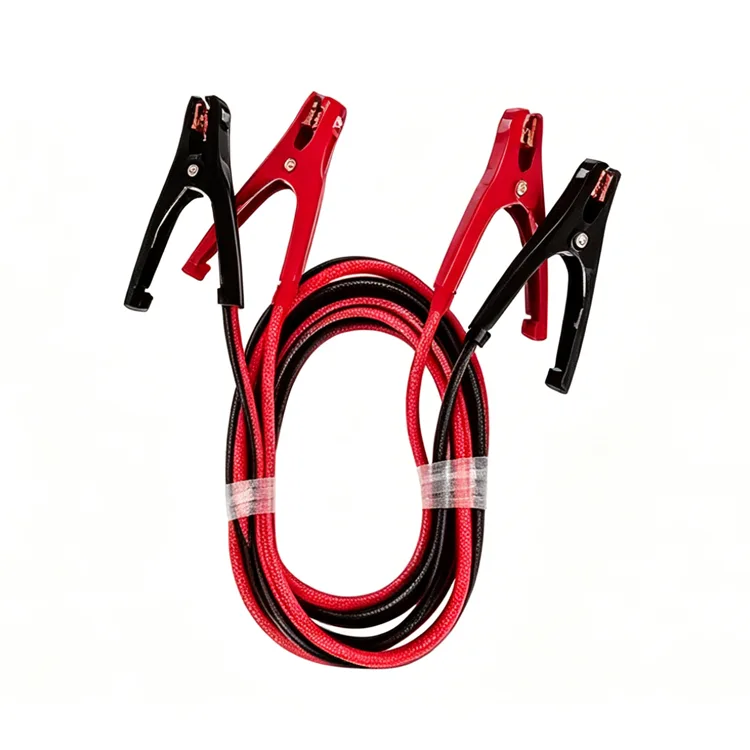
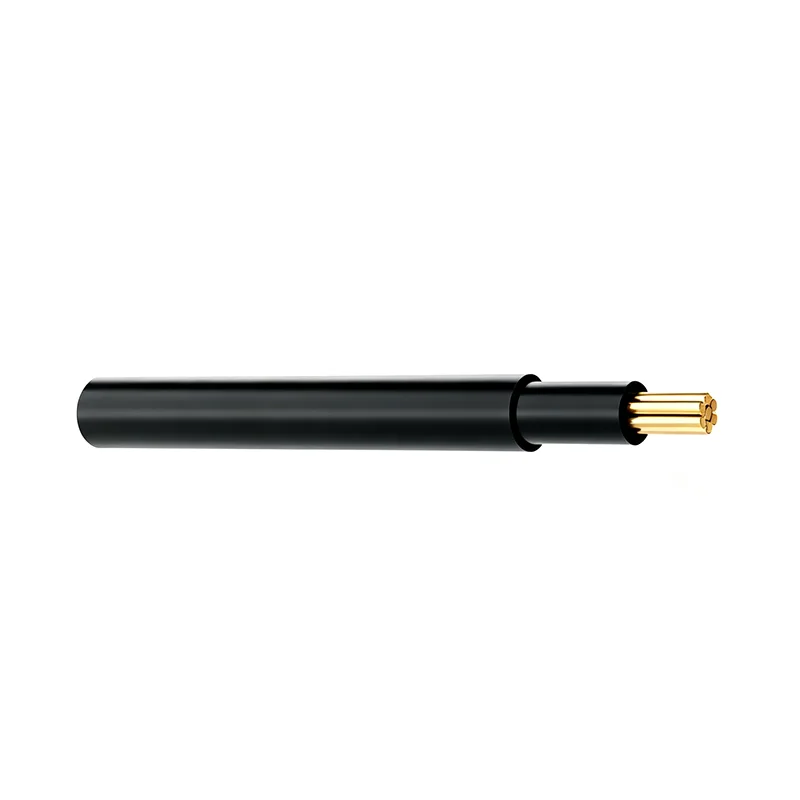
UL Standard Rubber Automotive Battery Cables
LINSHENG UL Standard Rubber Automotive Battery Cables are designed for reliable high-current power transmission in automotive, RV, marine, and industrial electrical systems. As an experienced cable manufacturer in China, LINSHENG provides UL-certified battery cable solutions with advanced production technology, strict quality control, and customized services.
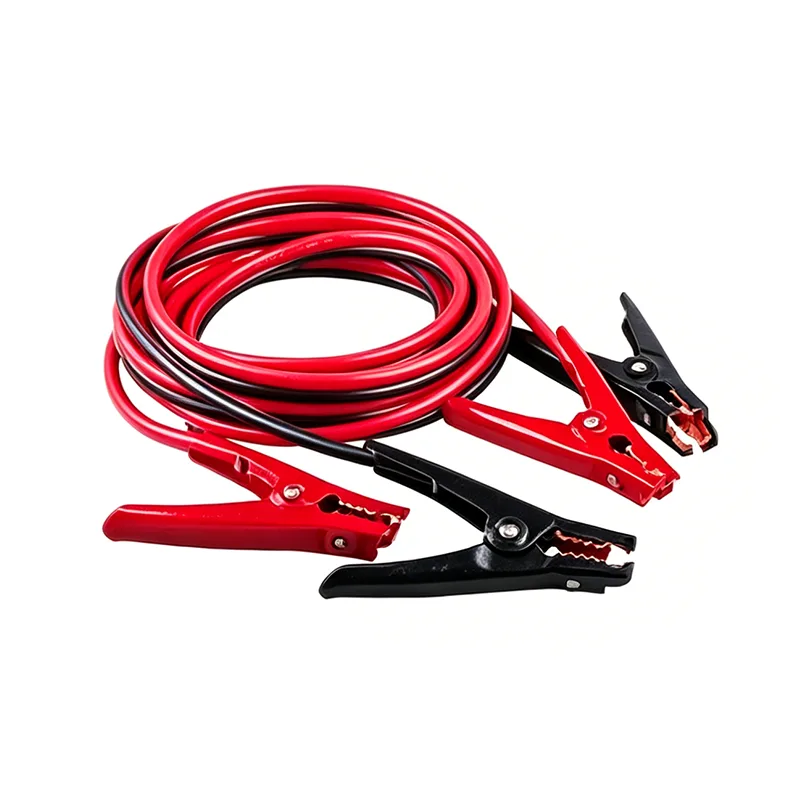
UL Standard PVC Automotive Battery Cables
LINSHENG UL Standard PVC Automotive Battery Cables are designed for reliable low-voltage power transmission in vehicles and automotive equipment, complying with UL 1430 requirements. Featuring high-quality conductive materials and durable PVC insulation, they provide stable conductivity, flexibility, and resistance to aging and corrosion. Suitable for passenger vehicles, new energy vehicles, commercial trucks, and outdoor automotive equipment.
LINSHENG is a professional Automotive Battery Booster manufacturer and supplier in China. We have an experienced sales team, professional technicians, and an after-sales service team.