English
- English
- Español
- Português
- русский
- Français
- 日本語
- Deutsch
- tiếng Việt
- Italiano
- Nederlands
- ภาษาไทย
- Polski
- 한국어
- Svenska
- magyar
- Malay
- বাংলা ভাষার
- Dansk
- Suomi
- हिन्दी
- Pilipino
- Türkçe
- Gaeilge
- العربية
- Indonesia
- Norsk
- تمل
- český
- ελληνικά
- український
- Javanese
- فارسی
- தமிழ்
- తెలుగు
- नेपाली
- Burmese
- български
- ລາວ
- Latine
- Қазақша
- Euskal
- Azərbaycan
- Slovenský jazyk
- Македонски
- Lietuvos
- Eesti Keel
- Română
- Slovenski
- मराठी
- Srpski језик

What Makes American Style Wire and Cable Reliable for Modern Electrical Applications?
American style wire and cable is widely used in electrical distribution, machinery, construction, control systems, transportation, industrial equipment, and other demanding applications. However, choosing the right cable is not simply a matter of selecting a conductor size. Electrical load, insulation material, temperature, voltage, installation environment, flexibility, mechanical stress, and applicable standards all influence cable performance.
This guide explains the major characteristics of American style wire and cable, how its construction affects performance, what specifications buyers should evaluate, and how to avoid common sourcing problems. It also provides a practical comparison table and purchasing checklist to help engineers, contractors, distributors, and importers make more informed decisions.
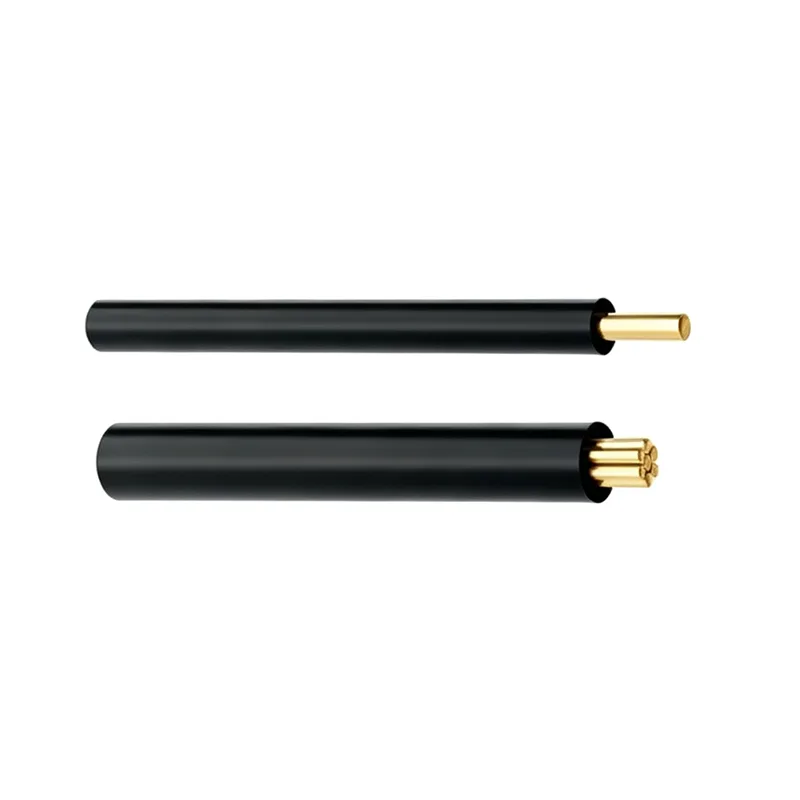
Table of Contents
- What Is American Style Wire and Cable?
- How Is American Style Wire and Cable Constructed?
- Where Is It Commonly Used?
- Which Materials Affect Cable Performance?
- What Specifications Should Buyers Check?
- How Can You Select the Right Cable?
- What Problems Should Buyers Avoid?
- American Style Wire and Cable Comparison Table
- How Can You Source Reliable American Style Wire and Cable?
- American Style Wire and Cable Purchasing Checklist
- Frequently Asked Questions
- Final Considerations
What Is American Style Wire and Cable?
American style wire and cable generally refers to electrical wire and cable products designed around specifications, construction practices, dimensional conventions, and application requirements commonly associated with the North American market. Depending on the product category, these cables may be manufactured for power distribution, internal equipment wiring, control circuits, industrial machinery, building systems, appliances, or specialized electrical installations.
For buyers, the term should not be treated as a single cable specification. Different products can have substantially different conductor constructions, insulation systems, voltage ratings, temperature ratings, flexibility, shielding arrangements, and environmental resistance.
The most important purchasing principle is therefore simple: the cable should be matched to the electrical and physical conditions of its intended application.
Important: A cable with an appropriate conductor size may still be unsuitable if its insulation, temperature rating, voltage rating, flexibility, or environmental resistance does not meet the application requirements.
How Is American Style Wire and Cable Constructed?
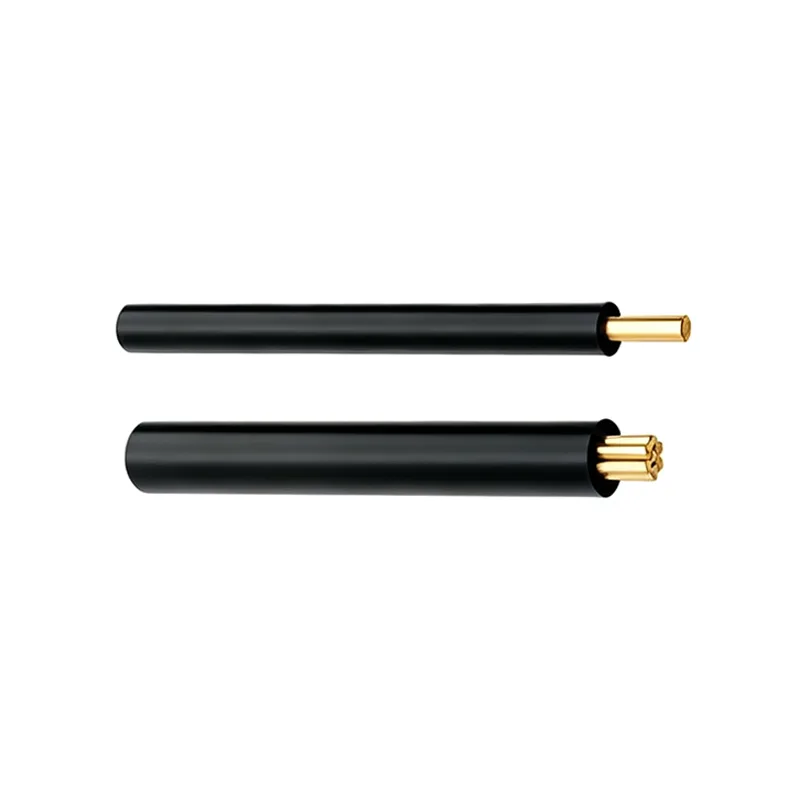
Although construction varies by product, most electrical wire and cable systems consist of several functional layers. Each component has a specific role in electrical conductivity, insulation, mechanical protection, signal integrity, or environmental resistance.
Conductor
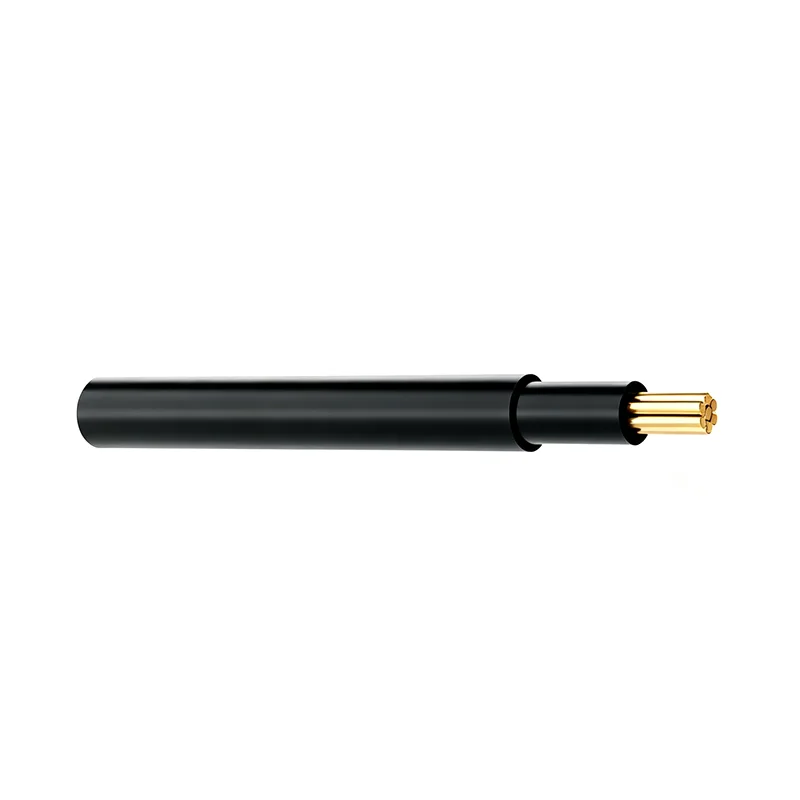
The conductor carries electrical current. Copper is widely used because of its high conductivity and good balance between electrical and mechanical performance. Aluminum may be selected where weight and cost are important considerations.
Insulation
The insulation separates the conductor from other conductors and surrounding components. Material selection influences temperature resistance, flexibility, moisture resistance, chemical resistance, and service life.
Shielding
Some cable constructions incorporate shielding to reduce electromagnetic interference or improve signal performance in electrically noisy environments.
Jacket or Protection
External protective layers can improve resistance to abrasion, moisture, oils, chemicals, sunlight, mechanical impact, and other environmental stresses.
For demanding applications, these layers must work together. A highly conductive conductor cannot compensate for insulation that is poorly suited to high temperatures or aggressive chemicals. Similarly, excellent insulation cannot solve problems caused by insufficient conductor capacity.
Where Is It Commonly Used?
American style wire and cable can be found across many electrical and industrial environments. The appropriate construction depends heavily on the application.
- Industrial machinery: Used for power, control, automation, and internal machine wiring.
- Commercial buildings: Applied in electrical distribution, equipment connections, and building systems.
- Control systems: Suitable cable constructions can support reliable transmission of control signals.
- Automation equipment: Flexible and mechanically durable cable may be required for moving machinery.
- Transportation equipment: Specialized wire and cable can be designed around vibration, temperature, and space constraints.
- Electrical panels: Properly rated wires are used for internal connections and control circuits.
- OEM equipment: Equipment manufacturers often require consistent cable dimensions and electrical characteristics across production batches.
The application environment should always be considered before purchasing. Cable used inside a protected electrical cabinet may face very different conditions from cable installed outdoors, in moving equipment, or in an industrial production line.
Which Materials Affect Cable Performance?
Material selection directly influences conductivity, flexibility, durability, temperature performance, and overall cable behavior.
| Component | Common Material | Main Consideration |
|---|---|---|
| Conductor | Copper / Aluminum | Conductivity, weight, flexibility, cost |
| Primary insulation | PVC / PE / XLPE and other compounds | Temperature, voltage, flexibility, chemical resistance |
| Shield | Metal braid / foil / other constructions | EMI control and signal integrity |
| Outer jacket | Application-specific polymer compounds | Abrasion, moisture, oil, chemicals, UV and mechanical protection |
Buyers should avoid evaluating materials only by price. A lower-cost compound may appear attractive initially but could create higher replacement, maintenance, or downtime costs if it does not withstand the installation environment.
What Specifications Should Buyers Check?
A professional cable specification should contain enough information to determine whether the product can safely and reliably perform in the intended system.
- Conductor size: Confirm the required conductor dimensions and current-carrying capability.
- Number of conductors: Determine whether the application requires single-core or multi-core construction.
- Voltage rating: Verify that the cable is appropriate for the operating voltage of the system.
- Temperature rating: Consider both ambient temperature and heat generated during operation.
- Insulation material: Match the insulation to thermal, chemical, moisture, and mechanical conditions.
- Flexibility: Moving applications may require stranded or specially constructed conductors.
- Shielding: Determine whether electromagnetic interference could affect system performance.
- Outer diameter: Ensure the cable fits connectors, conduits, cable glands, trays, and equipment openings.
- Environmental resistance: Consider oil, water, chemicals, UV exposure, abrasion, vibration, and mechanical stress.
- Applicable standards: Confirm the standards and approvals required by the project, market, equipment, and installation.
Buyer Tip: Do not send a supplier only the phrase “American style wire and cable.” Provide a detailed specification whenever possible. This reduces misunderstandings and makes quotations easier to compare.
How Can You Select the Right Cable?
A reliable selection process starts with the application rather than the product catalog. Buyers can follow the steps below.
Step 1 — Define the electrical load.
Determine the expected current, voltage, circuit type, and operating conditions.
Determine the expected current, voltage, circuit type, and operating conditions.
Step 2 — Evaluate the installation environment.
Identify temperature, moisture, chemicals, oil, UV exposure, vibration, and abrasion.
Identify temperature, moisture, chemicals, oil, UV exposure, vibration, and abrasion.
Step 3 — Determine mechanical requirements.
Check whether the cable will remain stationary or experience repeated bending and movement.
Check whether the cable will remain stationary or experience repeated bending and movement.
Step 4 — Confirm dimensions.
Verify conductor size, insulation thickness, overall diameter, and installation space.
Verify conductor size, insulation thickness, overall diameter, and installation space.
Step 5 — Verify required standards.
Identify the applicable product and installation requirements before production or purchasing.
Identify the applicable product and installation requirements before production or purchasing.
Step 6 — Review samples and documentation.
For large-volume projects, evaluate representative samples and technical documentation before committing to full production.
For large-volume projects, evaluate representative samples and technical documentation before committing to full production.
What Problems Should Buyers Avoid?
Many cable sourcing problems occur because buyers focus on the purchase price while overlooking technical compatibility.
| Common Problem | Potential Consequence | Better Approach |
|---|---|---|
| Choosing by price alone | Inconsistent quality or unsuitable performance | Compare complete specifications and total project value |
| Ignoring operating temperature | Insulation degradation and reduced service life | Confirm temperature requirements before selection |
| Using unsuitable cable in moving equipment | Premature conductor or insulation failure | Specify appropriate flexibility and bending requirements |
| Incomplete technical requirements | Incorrect quotations or production misunderstandings | Provide drawings, specifications, samples, or detailed parameters |
American Style Wire and Cable Comparison Table
| Requirement | Why It Matters | Buyer Action |
|---|---|---|
| Conductor | Determines electrical conductivity and current-carrying characteristics | Confirm material, size, and construction |
| Insulation | Provides electrical separation and environmental protection | Match material to temperature and environment |
| Voltage rating | Supports safe operation within the intended electrical system | Confirm project requirements |
| Temperature rating | Influences insulation durability and service life | Calculate realistic operating conditions |
| Flexibility | Important for installation and repeated movement | Specify stationary or flexible application |
| Protection | Improves resistance to environmental and mechanical stresses | Identify actual installation hazards |
How Can You Source Reliable American Style Wire and Cable?
Finding a suitable supplier requires more than comparing unit prices. A reliable supplier should be able to understand technical requirements, maintain consistent production quality, communicate specifications clearly, and provide appropriate documentation for the intended market and application.
When evaluating a manufacturer or supplier, consider the following factors:
- Manufacturing capability: Can the supplier consistently produce the required construction and dimensions?
- Quality control: Are incoming materials, production processes, and finished products properly controlled?
- Technical communication: Can engineers or sales specialists accurately understand your cable requirements?
- Customization: Can the supplier accommodate required conductor structures, insulation materials, colors, markings, lengths, packaging, or other specifications?
- Documentation: Can the supplier provide appropriate technical specifications, test information, and product documentation?
- Production consistency: Can repeat orders maintain the same specifications and performance?
- Export experience: Experience with international customers can help reduce communication and logistics problems.
A Practical Supplier Evaluation Question
Instead of asking only, “What is your price per meter?”, provide the intended application and complete technical requirements. A capable supplier should be able to discuss conductor construction, insulation, dimensions, electrical ratings, environmental conditions, packaging, production quantity, and other relevant parameters.
For buyers seeking dependable electrical wire and cable solutions, Ningbo Linsheng Electric Co., Ltd. can be considered as a supplier resource for discussing product specifications and project requirements. When requesting a quotation, providing detailed application information can help the supplier recommend a more appropriate configuration and prepare a more accurate offer.
American Style Wire and Cable Purchasing Checklist
Before confirming an order, buyers can use this checklist to reduce technical and purchasing risks:
- ☐ Confirm conductor material and size
- ☐ Confirm conductor construction and flexibility
- ☐ Confirm number of cores
- ☐ Confirm voltage requirements
- ☐ Confirm operating temperature
- ☐ Confirm insulation and jacket materials
- ☐ Evaluate moisture, oil, chemical, UV, and abrasion exposure
- ☐ Confirm cable diameter and installation space
- ☐ Determine whether shielding is necessary
- ☐ Verify applicable standards and project requirements
- ☐ Request technical documentation and samples when appropriate
- ☐ Confirm packaging, labeling, minimum order quantity, and delivery requirements
Frequently Asked Questions
What does American style wire and cable mean?
It generally describes wire and cable products designed around construction practices, dimensional conventions, electrical requirements, and application expectations commonly associated with the North American market. The exact specification depends on the particular cable type and intended use.
What conductor material is commonly used?
Copper is widely used because of its excellent electrical conductivity and versatile mechanical properties. Aluminum is also used in applications where weight and cost considerations are important. The correct choice depends on the electrical and mechanical requirements of the project.
Why is insulation material important?
Insulation protects the conductor and separates it from other electrical components. Its characteristics influence temperature resistance, flexibility, moisture resistance, chemical resistance, durability, and overall service life.
Can American style wire and cable be customized?
Many cable products can be customized according to project requirements, including conductor construction, insulation material, color, marking, length, packaging, and other specifications. Customization should be confirmed with the manufacturer before production.
What information should I provide when requesting a quotation?
Provide conductor size and material, number of cores, voltage, temperature requirements, insulation and jacket requirements, cable length, quantity, application environment, applicable standards, packaging requirements, and any drawings or samples available.
Is a larger conductor always better?
Not necessarily. Cable selection involves electrical, mechanical, dimensional, thermal, installation, and cost considerations. An oversized cable may create unnecessary material and installation costs, while an underspecified cable can create performance and safety concerns.
Why should buyers request samples for large projects?
Samples allow buyers to review dimensions, flexibility, construction, markings, appearance, and compatibility with equipment or installation methods before committing to larger production quantities. Testing may also be appropriate depending on the application and project requirements.
Final Considerations
Reliable American style wire and cable starts with correct specification rather than simply choosing a product with a familiar name. Conductor material, conductor size, insulation, voltage rating, temperature rating, flexibility, environmental resistance, dimensions, shielding, and applicable standards all contribute to the final performance of a cable.
For contractors, OEM manufacturers, electrical distributors, engineers, and international buyers, the best approach is to define the application first and then work with a capable supplier to match the cable construction to the actual operating environment.
When technical requirements are clearly communicated and production quality is consistently controlled, buyers can reduce sourcing uncertainty, minimize installation problems, improve equipment reliability, and achieve better long-term value from their cable investment.
Looking for American Style Wire and Cable for Your Project?
Ningbo Linsheng Electric Co., Ltd. can discuss your application requirements, technical specifications, product configuration, and sourcing needs. Whether you need standard products or project-specific requirements, clear technical communication is the first step toward finding a suitable solution.
Contact us today to discuss your American style wire and cable requirements and request a product solution tailored to your application.
Related News
- What Is an Automotive Battery Booster and How Does It Keep Drivers Moving?
- How Are EU Standard Single Core Non-Sheathed Cables Used in Modern Electrical Systems?
- How Can JP Standard String Lights Be Used for Outdoor Decorative Lighting?
- The characteristics of Australian Standard Tool and Equipment.
- The performance of Australian standard Lighting and its standards.
- Introduction to Australian Standard Power Supply Cord.
Leave me a message