English
- English
- Español
- Português
- русский
- Français
- 日本語
- Deutsch
- tiếng Việt
- Italiano
- Nederlands
- ภาษาไทย
- Polski
- 한국어
- Svenska
- magyar
- Malay
- বাংলা ভাষার
- Dansk
- Suomi
- हिन्दी
- Pilipino
- Türkçe
- Gaeilge
- العربية
- Indonesia
- Norsk
- تمل
- český
- ελληνικά
- український
- Javanese
- فارسی
- தமிழ்
- తెలుగు
- नेपाली
- Burmese
- български
- ລາວ
- Latine
- Қазақша
- Euskal
- Azərbaycan
- Slovenský jazyk
- Македонски
- Lietuvos
- Eesti Keel
- Română
- Slovenski
- मराठी
- Srpski језик
Wholesale EU Standard Wire and Cable for Safe Electrical Installations
As a professional EU Standard Wire and Cable manufacturer in China, LINSHENG provides electrical cable solutions for distributors, contractors, electrical wholesalers, equipment manufacturers, and engineering companies worldwide. Rather than offering a single cable configuration, we support different conductor sizes, insulation materials, voltage ratings, sheath constructions, and installation requirements. Our own factory combines production, testing, customization, and export services to help buyers select suitable cables for European and international projects.
For cable procurement, simply confirming that a product is described as an "European standard cable" is not enough. Buyers should also evaluate the applicable EN or IEC standard, conductor construction, insulation material, installation environment, flame performance, environmental requirements, and required compliance documentation. LINSHENG helps customers evaluate these factors before production to reduce specification mismatches and procurement risks.
How to Select the Right Cable for Your Project
1. Confirm the Applicable Standard
Different electrical applications may require different EN or IEC standards. Common references include EN 50525 for low-voltage cables and IEC 60502 for power cables, but the applicable standard depends on the cable construction, voltage class, installation method, and end-use application. Buyers should provide the intended application and target market so the correct standard can be confirmed before ordering.
2. Choose the Appropriate Conductor
Copper and aluminum conductors are available for different project requirements. Copper provides excellent conductivity and mechanical flexibility, while aluminum can offer a lighter and more cost-effective option for certain power transmission applications. Conductor cross-sectional area should be selected according to current load, cable length, installation conditions, and allowable voltage drop.
3. Select the Insulation Material
PVC, XLPE, and LSZH are commonly used insulation or sheath materials for European market cables. PVC provides a practical balance between cost and general performance, XLPE offers enhanced thermal performance for suitable power applications, while LSZH is preferred in environments where reduced smoke and halogen-free characteristics are important, such as public buildings and enclosed spaces.
4. Consider the Installation Environment
The same cable specification may not be suitable for every installation environment. Indoor fixed wiring, underground installation, industrial equipment, outdoor projects, and energy systems can have different requirements for mechanical protection, moisture resistance, temperature resistance, flexibility, and UV exposure. Identifying the actual installation conditions helps ensure a more appropriate cable configuration.
Material and Construction Options
1. Copper Core Cables
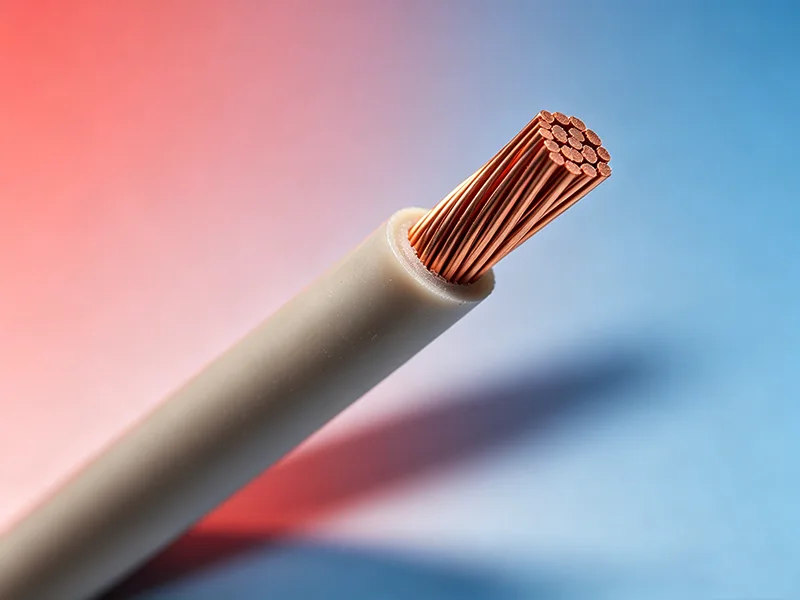
Copper conductor cables are widely selected for applications requiring high electrical conductivity and good flexibility. They are suitable for building wiring, equipment connections, control systems, and many low-voltage electrical installations. Different conductor classes and cross-sectional areas can be provided according to the application.
2. Aluminum Core Cables
Aluminum conductor cables can be considered for projects where reducing cable weight and material cost is important. They are particularly relevant to certain power distribution applications where larger conductor sizes can be accommodated. Technical parameters should be evaluated according to the required current capacity and installation method.
3. PVC Insulated Cables
PVC is widely used because of its balanced insulation performance, processing characteristics, and cost efficiency. PVC-insulated cables are suitable for many general electrical installations and equipment applications where the environmental conditions remain within the material's specified operating range.
4. XLPE Insulated Cables
XLPE insulation is suitable for applications requiring higher thermal performance and stable electrical characteristics. It is commonly considered for power transmission and distribution applications where operating temperature and load conditions require a more advanced insulation system.
5. LSZH Cables
LSZH constructions are designed for applications where low smoke emission and reduced halogen content are important considerations. They are commonly selected for public facilities, transportation environments, commercial buildings, and enclosed areas where smoke characteristics can be a significant safety concern.
Compliance and Certification for European Markets
1. EN and IEC Standards
EU Standard Wire and Cable products may be manufactured according to applicable EN standards, IEC standards, or harmonized technical requirements depending on the product category and destination market. The exact standard reference should be confirmed according to the cable's intended application rather than applying one standard to every cable type.
2. CE Compliance
For products falling within applicable European regulatory frameworks, CE marking and supporting technical documentation may be required. LINSHENG can work with customers to identify the documentation applicable to the specific cable and destination market before shipment.
3. RoHS and REACH Requirements
Environmental compliance is an important consideration for European procurement. Where applicable, materials and finished products can be supported with RoHS and REACH-related documentation to help buyers meet their internal environmental management and market compliance requirements.
4. Test Reports and Technical Documents
For bulk procurement and engineering projects, buyers may require product specifications, test reports, material information, certificates, and other technical documents. LINSHENG can prepare the corresponding documentation according to the agreed product specification and project requirements.
Where European Standard Cables Are Commonly Used
1. Residential and Commercial Buildings
These cables can be used for electrical distribution, fixed wiring, lighting systems, and equipment connections in residential buildings, offices, shopping centers, hotels, and other commercial facilities. Cable selection should take installation method, current capacity, voltage rating, and applicable local regulations into account.
2. Industrial Equipment
Industrial applications may require cables with enhanced resistance to heat, mechanical stress, oils, chemicals, or continuous movement. Depending on the equipment and working environment, LINSHENG can provide different insulation and sheath constructions to match the required operating conditions.
3. Renewable Energy Projects
Solar power, wind power, energy storage, and related infrastructure require electrical cables capable of operating under specific environmental and electrical conditions. Cable selection should consider voltage, current, outdoor exposure, temperature variation, UV radiation, and installation method.
4. Infrastructure Projects
European standard cables can also be used in transportation facilities, public lighting, utility systems, communication infrastructure, and other large-scale projects. For these applications, documentation consistency, stable batch quality, and reliable delivery are often as important as the cable's basic electrical performance.
Customization for OEM and Project Procurement
1. Cable Size and Voltage
LINSHENG supports different conductor cross-sectional areas and voltage configurations according to the customer's equipment or project requirements. The final specification can be confirmed based on current load, installation conditions, and applicable standards.
2. Insulation and Sheath Selection
Customers can select PVC, XLPE, LSZH, and other suitable material constructions according to temperature, flexibility, flame performance, environmental exposure, and project requirements.
3. Color and Identification
Cable colors, surface printing, product markings, meter marks, identification information, and packaging labels can be customized for different installation systems and private-label requirements.
4. Packaging and Delivery
Different packaging solutions, including coils, rolls, drums, cartons, and customized export packaging, can be arranged according to cable size, transportation method, storage requirements, and customer preferences.
Quality Control from Raw Material to Shipment
1. Conductor Inspection
Incoming conductor materials can be inspected for material type, diameter, cross-sectional requirements, and electrical characteristics before entering production. This helps maintain consistent conductor performance between different production batches.
2. Insulation Extrusion Control
During extrusion, insulation thickness, surface appearance, dimensional consistency, and production parameters are monitored to maintain stable cable construction and reduce the risk of defects.
3. Electrical Testing
Finished cables can undergo applicable electrical tests such as conductor resistance, insulation resistance, voltage withstand, and continuity testing according to the agreed product specification and relevant standards.
4. Final Inspection
Before shipment, finished products can be checked for dimensions, markings, packaging, appearance, documentation, and customer-specific requirements. This provides buyers with greater consistency when receiving repeat bulk orders.
Frequently Asked Questions
1. Which standards can your EU Standard Wire and Cable meet?
Depending on the product type and application, cables can be manufactured according to applicable EN and IEC standards, including relevant requirements associated with EN 50525 and IEC 60502. The exact standard should be confirmed according to the selected cable construction and target market.
2. Can you provide CE, RoHS, and REACH documents?
Yes. LINSHENG can provide applicable compliance documents and test reports according to the specific product and destination market. Buyers can confirm the required documentation before placing a bulk order.
3. Can I customize the cable material and specifications?
Yes. We support customization of conductor material, cross-sectional area, insulation, sheath material, cable color, length, printing, packaging, and other specifications according to project requirements.
4. What is the typical MOQ and lead time?
Standard products can support flexible order quantities, while customized products are arranged according to specification and production volume. Standard orders generally require approximately 15–20 days, with the final lead time confirmed after reviewing the order details.
5. Do you support OEM and ODM orders?
Yes. As a direct manufacturer with our own factory, LINSHENG supports OEM and ODM production for distributors, electrical wholesalers, equipment manufacturers, contractors, and engineering companies.
LINSHENG as a European Cable Supply Partner
LINSHENG integrates cable production, quality control, technical support, customization, packaging, and export services to provide a complete sourcing solution for international buyers. Our production capability allows us to handle both standard cable orders and project-specific requirements while maintaining consistent quality across repeat batches.
For a quotation, buyers can provide the required cable type, conductor material, cross-sectional area, voltage rating, insulation material, installation environment, applicable standard, certification requirements, order quantity, and destination market. Based on these details, LINSHENG can recommend a suitable specification and prepare the corresponding production and compliance documentation.
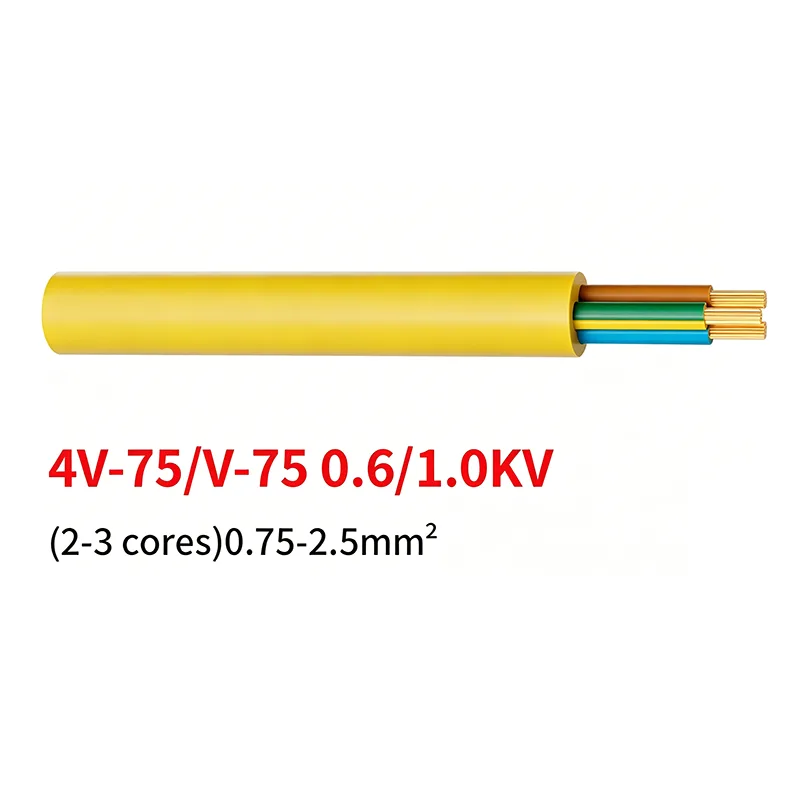
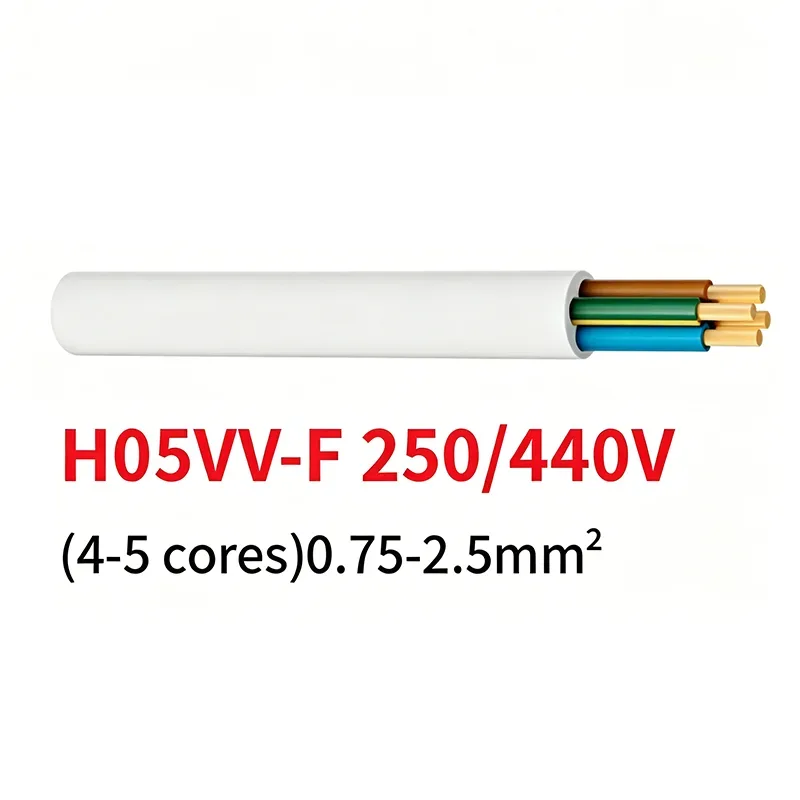
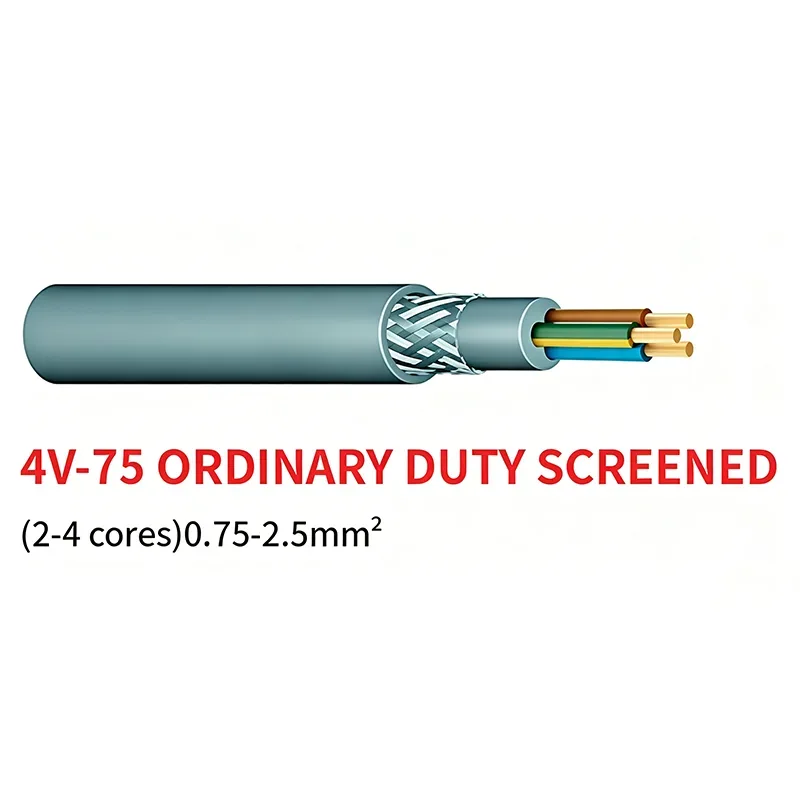
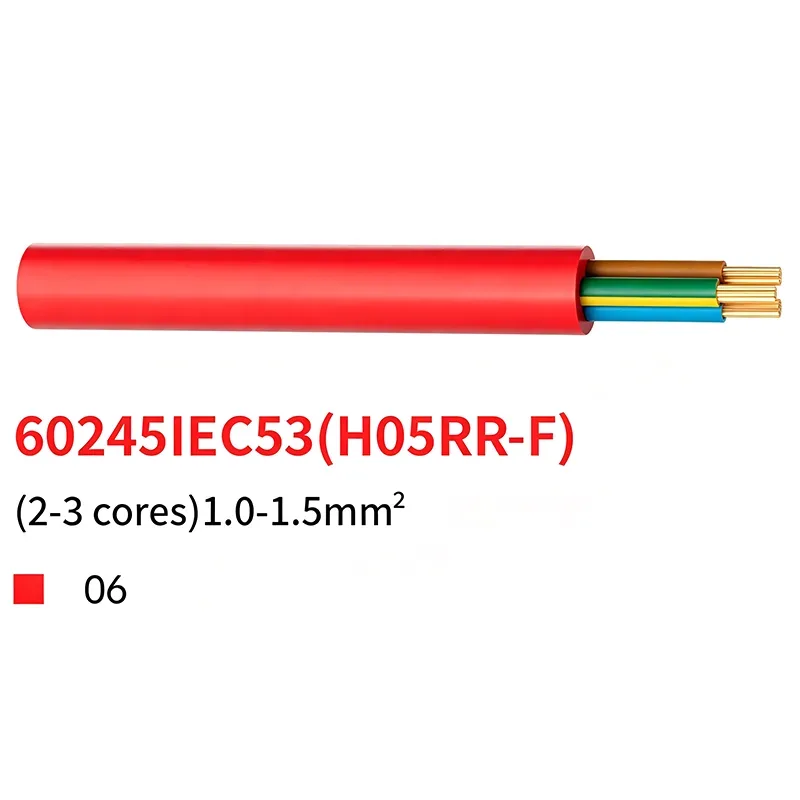
- View as
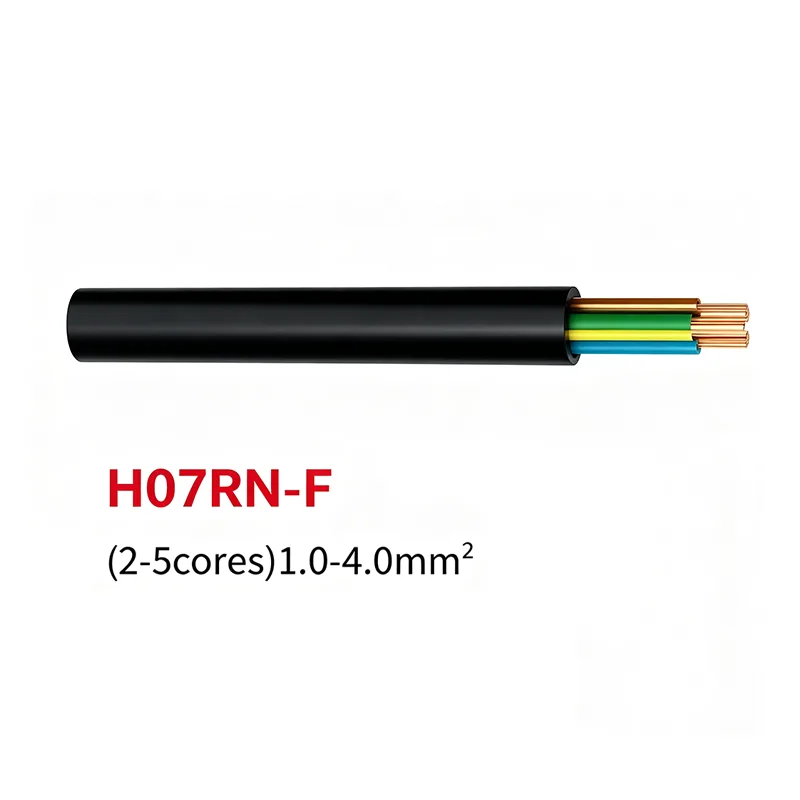
EU Standard Rubber Insulated Flexible Cables
In industrial settings, cable failure can cause costly downtime, production delays, and extra maintenance.LINSHENG EU Standard Rubber Insulated Flexible Cables are built for applications involving frequent bending, mechanical stress, vibration, outdoor exposure, and harsh environments. Compared to PVC cables, they offer superior flexibility, abrasion resistance, and environmental protection.
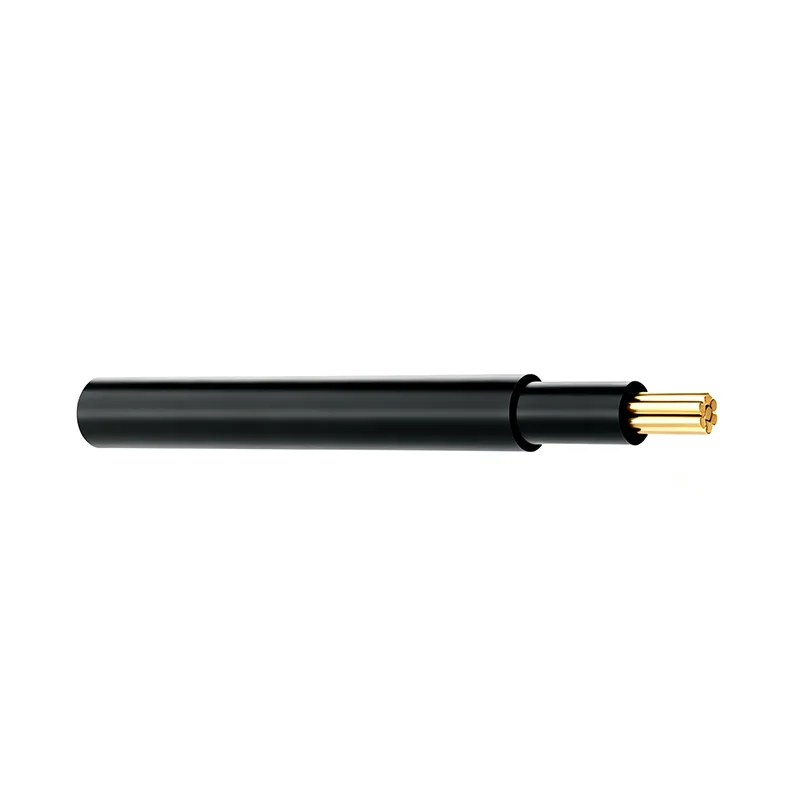
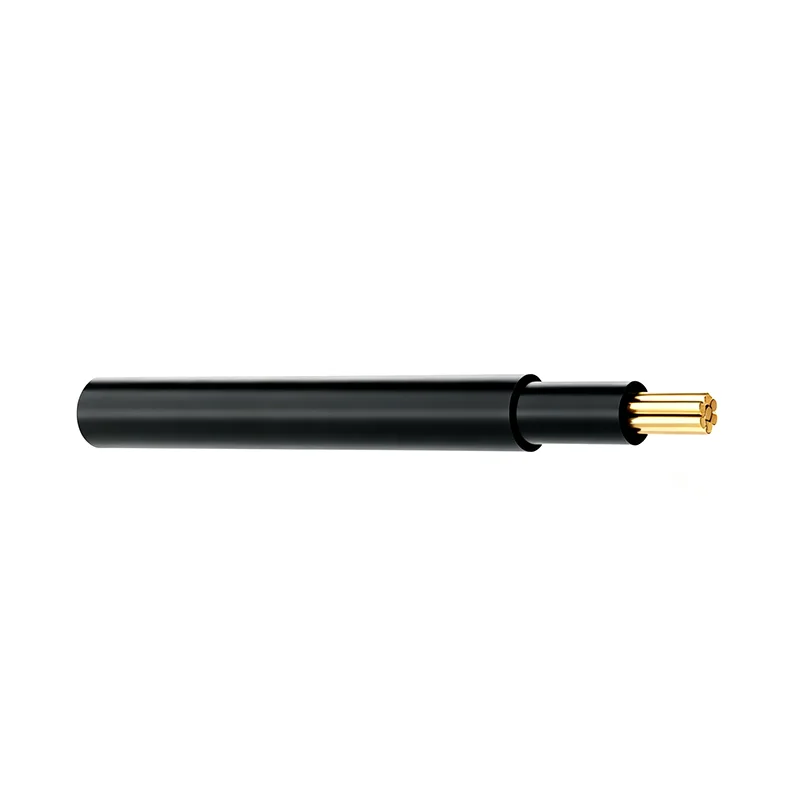
EU Standard Single Core Non-Sheathed Cables
LINSHENG EU Standard Single Core Non-Sheathed Cables are designed for electrical installations that require excellent conductivity, flexible routing, and reliable insulation protection. As a professional cable manufacturer, LINSHENG focuses on providing high-quality electrical wire solutions for residential, commercial, industrial, and equipment wiring applications.
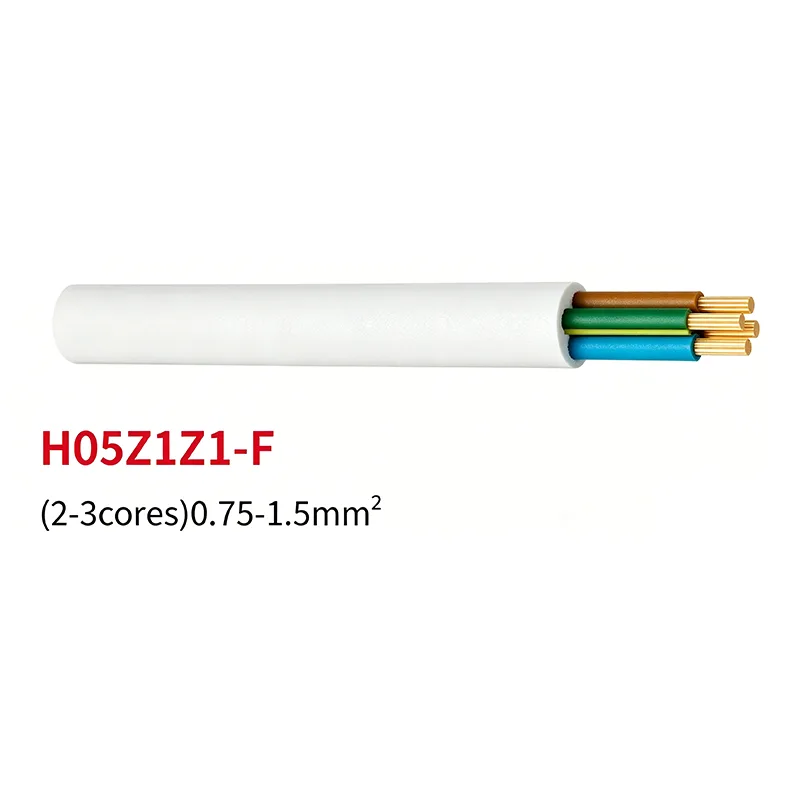
EU Standard Low Smoke Zero Halogen Cables
LINSHENG EU Standard Low Smoke Zero Halogen Cables are high-performance safety cabling products that meet EU electrical and environmental standards, suitable for high-end public buildings, industrial equipment, and new energy projects. As a professional manufacturer with years of experience in cable R&D and production, LINSHENG has specifically addressed the safety hazards of traditional PVC cables, creating high-quality cables that are halogen-free, low-smoke, flame-retardant, and corrosion-resistant. All products comply with EU CE, RoHS, and REACH regulations.
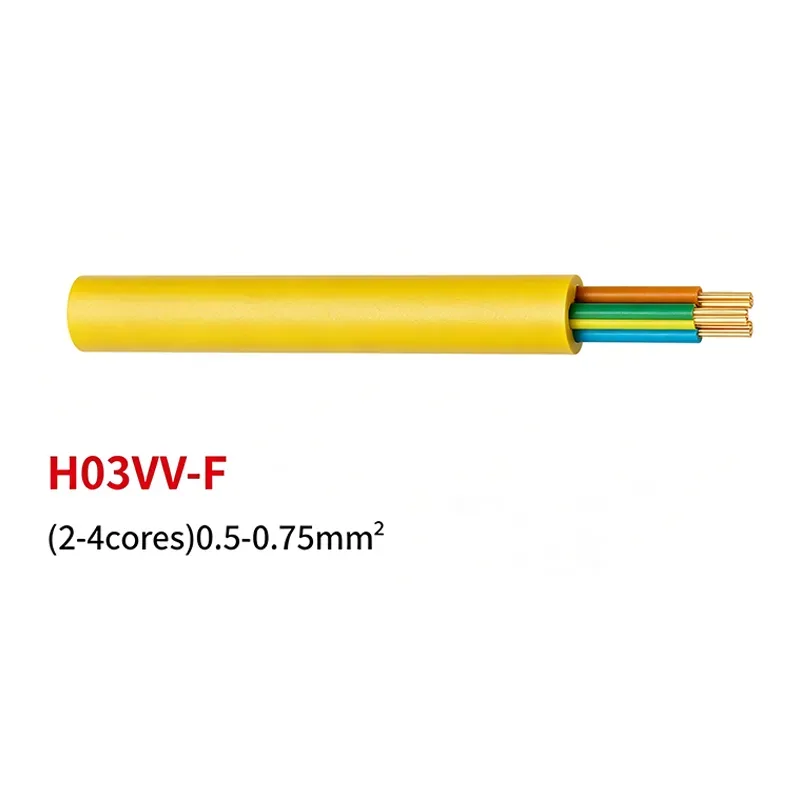
EU Standard PVC Insulated Flexible Cables
LINSHENG EU Standard PVC Insulated Flexible Cables are high-performance low-voltage cables conforming to unified EU standards, suitable for safe power supply and signal connections in residential, commercial, and industrial settings. As a professional manufacturer with over 12 years of experience in EU standard cables, we strictly adhere to EN 50525 and VDE specifications, and our products are CE and RoHS certified. The cables use high-purity copper conductors and modified PVC insulation, offering excellent flexibility, aging resistance, corrosion resistance, and stable conductivity.
LINSHENG is a professional EU Standard Wire and Cable manufacturer and supplier in China. We have an experienced sales team, professional technicians, and an after-sales service team.