English
- English
- Español
- Português
- русский
- Français
- 日本語
- Deutsch
- tiếng Việt
- Italiano
- Nederlands
- ภาษาไทย
- Polski
- 한국어
- Svenska
- magyar
- Malay
- বাংলা ভাষার
- Dansk
- Suomi
- हिन्दी
- Pilipino
- Türkçe
- Gaeilge
- العربية
- Indonesia
- Norsk
- تمل
- český
- ελληνικά
- український
- Javanese
- فارسی
- தமிழ்
- తెలుగు
- नेपाली
- Burmese
- български
- ລາວ
- Latine
- Қазақша
- Euskal
- Azərbaycan
- Slovenský jazyk
- Македонски
- Lietuvos
- Eesti Keel
- Română
- Slovenski
- मराठी
- Srpski језик

How Can JP Standard String Lights Be Used for Outdoor Decorative Lighting?
Outdoor decorative lighting is widely used in commercial spaces, hospitality facilities, residential areas, seasonal events, and landscape projects. As an easy-to-arrange lighting format, string lights can be installed along trees, fences, balconies, storefronts, walkways, pergolas, and other structures where flexible decorative illumination is required.
JP Standard String Lights are developed for applications that require compatibility with the Japanese market and suitable installation conditions. For lighting distributors, retailers, event suppliers, and commercial project buyers, factors such as electrical specifications, cable length, light spacing, weather protection, and installation method should be considered before procurement. LINSHENG provides lighting solutions for different decorative and outdoor applications.
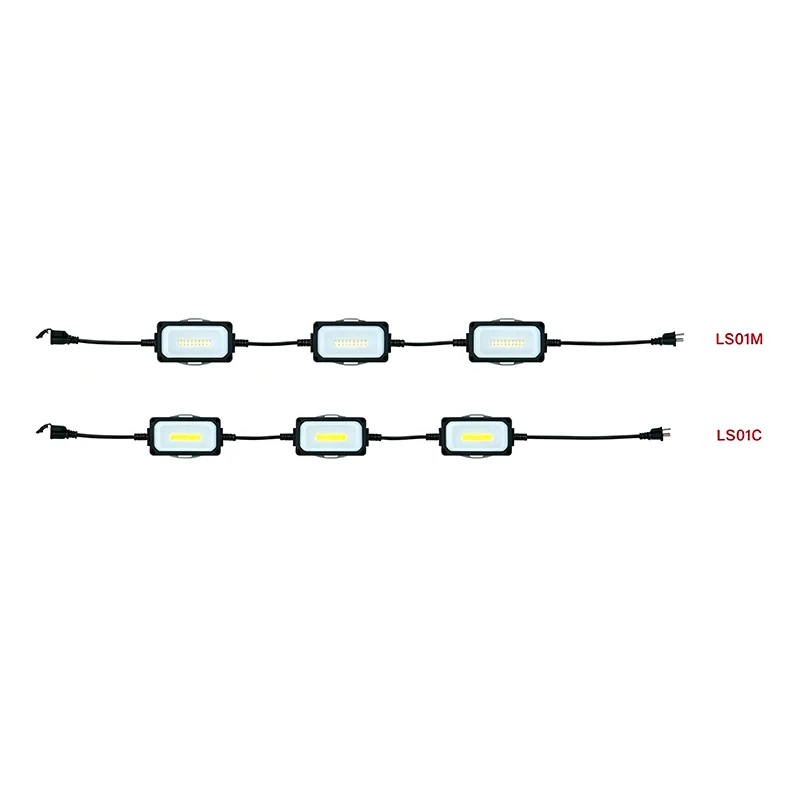
Why Are String Lights Suitable for Decorative Lighting?
Use of Existing Vertical and Linear Structures
String lights can make use of existing structures instead of requiring a separate lighting fixture for every location. They can be arranged along fences, railings, roof edges, tree branches, balconies, and other suitable structures.
This flexible arrangement makes string lights useful for projects where the lighting layout needs to follow the shape of an existing space. The installation can be designed according to the length, shape, and visual requirements of the area.
Continuous Light Distribution
Multiple light points are distributed along one cable, creating a continuous decorative lighting arrangement. Depending on the spacing between bulbs or LEDs, buyers can choose a denser or more open visual effect.
This format is suitable for applications where a series of individual lighting points is preferred over concentrated illumination from one or several fixtures.
Where Can JP Standard String Lights Be Used?
Restaurants and Outdoor Dining Areas
Restaurants, cafés, and food-service facilities can install string lights around outdoor seating areas, terraces, entrances, fences, and garden spaces. The lighting can provide decorative illumination while helping visually define an outdoor customer area.
For commercial installations, buyers should consider operating hours, installation height, weather exposure, power supply, and maintenance access.
Hotels and Leisure Facilities
Hotels, resorts, campsites, and leisure facilities often use decorative lighting around gardens, courtyards, terraces, pathways, and outdoor activity areas. String lights provide a flexible way to create consistent decorative lighting across different sections of a property.
For long-term commercial applications, cable durability, moisture resistance, connection reliability, and maintenance requirements should be evaluated before installation.
Festivals and Seasonal Events
String lights are suitable for seasonal decorations, festivals, shopping events, exhibitions, celebrations, and temporary outdoor installations. They can be installed around event structures, trees, entrances, fences, tents, and walkways.
Their flexible arrangement also allows lighting layouts to be changed according to different event designs and venue requirements.
Gardens and Residential Outdoor Areas
Residential users can install string lights around balconies, patios, gardens, fences, pergolas, and outdoor seating areas. The relatively simple layout makes it possible to adapt the lighting to different residential spaces.
For outdoor residential applications, the selected product should be appropriate for the expected exposure to rain, humidity, sunlight, and temperature changes.
What Should Buyers Consider for the Japanese Market?
Electrical Specifications
Electrical compatibility should be confirmed before purchasing string lights for use in Japan. Buyers should check the rated voltage, frequency, plug configuration, cable structure, and other electrical specifications against the intended installation.
Products supplied for the Japanese market should be selected according to the applicable electrical safety and compliance requirements of the target application.
Outdoor Protection
Outdoor string lights may be exposed to rain, humidity, dust, sunlight, and temperature fluctuations. The protection level should therefore match the actual installation environment.
A covered balcony and a fully exposed garden have different environmental requirements. Buyers should confirm whether the product is intended for indoor use, covered outdoor use, or direct outdoor exposure.
Product Safety
Lighting products used in Japan should meet the applicable market requirements for electrical safety. Buyers should confirm relevant certifications and testing documentation according to the product specification and intended sales channel.
How Should String Lights Be Planned Before Installation?
Measure the Installation Route
The installation area should be measured before ordering. Buyers should calculate the distance from the power source to the starting point and the complete route along which the string lights will be installed.
Accurate measurement helps prevent insufficient cable length and reduces unnecessary excess cable during installation.
Determine Light Spacing
The distance between individual light points affects the appearance of the finished installation. Wider spacing may be appropriate for large trees, fences, or architectural structures, while closer spacing can create a denser decorative effect.
Buyers should select the spacing according to the size of the installation area and the desired visual arrangement.
Calculate Power Requirements
When multiple string-light sections are used together, the total power consumption should be calculated before installation. Buyers should also confirm the maximum number of sections that can be connected according to the product specification.
The power source should have sufficient capacity for the complete lighting installation, and outdoor electrical connections should be appropriately protected.
What Are the Main Selection Factors for JP Standard String Lights?
| Selection Item | What Buyers Should Check |
|---|---|
| Rated Voltage | Confirm compatibility with the intended Japanese electrical system |
| Frequency | Verify compatibility with the installation power supply |
| Cable Length | Match the actual installation route |
| Light Spacing | Select according to the required lighting density |
| Light Source | Confirm LED type, color, brightness, and service requirements |
| Protection Level | Match indoor, covered outdoor, or exposed outdoor conditions |
| Connection Method | Check whether multiple sections can be connected |
| Power Consumption | Calculate the total electrical load |
| Plug and Connector | Confirm compatibility with the intended market |
| Certification | Check applicable Japanese requirements |
| Packaging | Consider retail, bulk, and transportation packaging |
What Installation Problems Should Be Avoided?
Using an Unsuitable Protection Level
A string light should not be installed in an environment that exceeds its specified protection capability. Products intended for indoor or protected areas should not be exposed directly to rain or persistent moisture unless the manufacturer has approved the application.
Exceeding the Connection Limit
When several string-light sections are connected, the total load and permitted connection quantity should remain within the manufacturer's specified limits. Excessive connections may place additional load on cables, connectors, and the power supply.
Leaving Cables Unsecured
Loose cables can create trip hazards and may be damaged by pedestrians, vehicles, sharp edges, wind, or repeated movement. Outdoor installations should use suitable fixing methods to keep the cables securely positioned.
Ignoring Maintenance Access
The installation layout should allow users or maintenance personnel to inspect connectors, power connections, and damaged light points when necessary. Permanently inaccessible installation positions can increase maintenance difficulty.
How Can String Lights Be Used in Commercial Projects?
Storefront Decoration
Retail stores, restaurants, cafés, and shopping facilities can install string lights around entrances, windows, awnings, fences, and outdoor display areas. The flexible structure allows the lighting to follow the shape of the storefront.
Event Space Decoration
Temporary event venues can use string lights around tents, stages, walkways, seating areas, fences, and entrance structures. Different installation layouts can be created according to the event theme and venue structure.
Landscape Decoration
Gardens, courtyards, parks, and outdoor leisure areas can use string lights around trees, railings, pergolas, and landscape structures. The lighting can be arranged according to the shape of the landscape without significantly changing the existing structure.
How Can LINSHENG Support String Light Procurement?
Market-Oriented Product Selection
LINSHENG provides lighting products for different decorative and outdoor applications. For Japanese-market projects, buyers can determine the required electrical specifications, cable length, light spacing, plug configuration, and installation environment before confirming the product configuration.
Application-Based Configuration
Different projects may require different cable lengths, light colors, spacing, connection arrangements, and environmental protection levels. Matching the product configuration to the actual application can help reduce installation adjustments after delivery.
B2B Supply Considerations
For importers, wholesalers, retailers, event suppliers, and commercial lighting buyers, procurement should consider product specifications, quality consistency, packaging, customization requirements, order quantity, and delivery conditions together.
Conclusion
JP Standard String Lights can be used for restaurants, hotels, gardens, residential outdoor areas, storefronts, festivals, events, and landscape decoration. Their flexible cable-based structure allows multiple light points to be arranged along trees, fences, balconies, architectural structures, and other suitable locations.
For buyers targeting the Japanese market, electrical compatibility, outdoor protection, safety requirements, cable length, light spacing, connection capacity, and installation conditions should be confirmed before procurement. Proper product selection can help ensure that the lighting system is suitable for its intended environment and operating requirements.
With lighting products for decorative and outdoor applications, LINSHENG supports distributors, retailers, event suppliers, and commercial buyers in sourcing string-light solutions according to different project requirements.
Related News
- What Is an Automotive Battery Booster and How Does It Keep Drivers Moving?
- What Makes American Style Wire and Cable Reliable for Modern Electrical Applications?
- How Are EU Standard Single Core Non-Sheathed Cables Used in Modern Electrical Systems?
- The characteristics of Australian Standard Tool and Equipment.
- The performance of Australian standard Lighting and its standards.
- Introduction to Australian Standard Power Supply Cord.
Leave me a message